

























































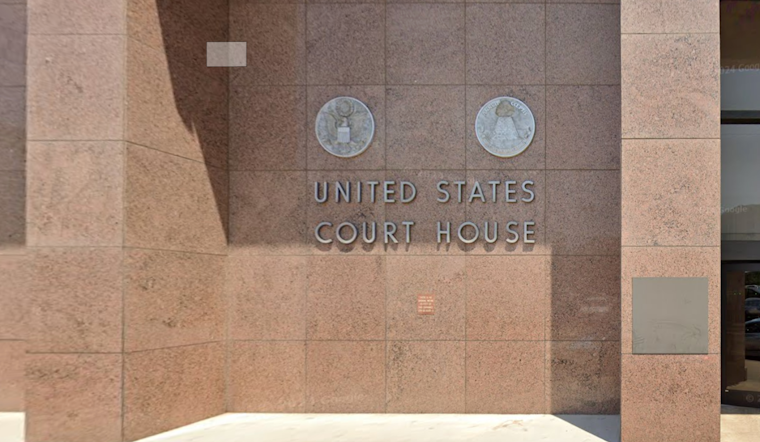
In response to a December investigative series by The Dallas Morning News, focusing on methamphetamine's devastating toll in North Texas, U.S. Attorney Leigha Simonton offered a pointed statement. Within North Texas, an area plagued by an influx of meth due to its interstate highways, the Department of Justice has been actively clamping down on what has become a methamphetamine crisis. Simonton emphasized the diligence of federal judges, prosecutors, and agents who continually strive not only to curb but to bring about justice against those spreading methamphetamine, a drug often trafficked by armed white supremacist gangs and cartels.
Referencing the research highlighted in The Dallas Morning News report, Simonton acknowledged that methamphetamine-related deaths have surged, with mortality rates escalating by 50 times over the past decade, particularly as traffickers mix meth with other lethal substances. Moreover, meth's pervasive presence has ranked Texas second in the nation for the number of users. Federal officials, confronting these stark realities, have adopted a tailored approach towards sentencing, a recognition that "each case – and each defendant – is different", as per the U.S. Department of Justice.
Countering criticisms about harsh sentencing in the articles, Simonton clarified that certain North Texas cases involved defendants with ties to notorious groups such as the Aryan Circle and Mexican drug cartels, like Los Zetas. These defendants, according to the U.S. Attorney's statement, often compounded their crimes by committing perjury, misleading officials on various fronts related to their drug trafficking activities. This included concealing the origins of illicit earnings, misrepresenting the intent behind their use of drug paraphernalia, and even resorting to coded language on the internet to facilitate drug-fueled exchanges for sex.
The U.S. Department of Justice also aimed the portray federal judges and prosecutors as being unfairly cast in a negative light by the series. Simonton defended their commitment and integrity, stating, "But labeling federal judges and prosecutors “accomplices,” as if they are involved in something nefarious when in fact they are sincerely committed to justly applying the law and taking account of all the facts involved in a particular case, is misleading and offensive." Upholding the sanctity of a justice system they deem the best in the world, Simonton's words bolstered the notion that such a system thrives on the "noble efforts of our federal Judges and Assistant United States Attorneys." With pride in their collective efforts, the statement reflects a firm stance against the skepticism cast by the press.
In the shadow of these weighty issues, the debate on the social and legal handling of methamphetamine trafficking continues to churn. Although the press retains its freedom to critique, Simonton's message was a bold reminder of the complexity and gravity faced by those at the front lines of this rampant and destructive drug crisis in North Texas and beyond.



