

























































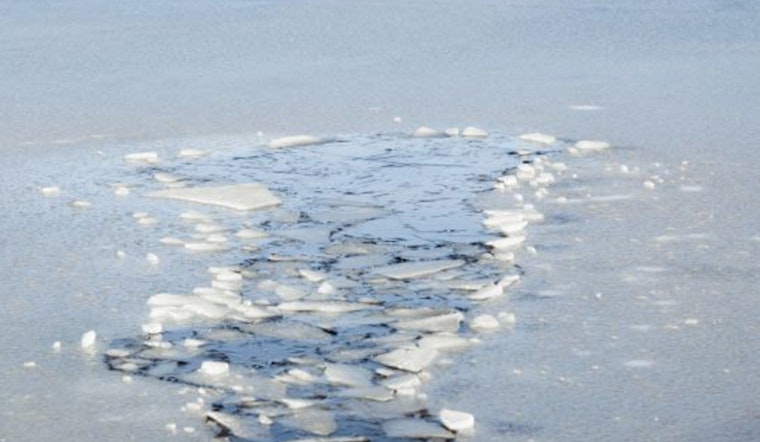
As the final weeks of the year bring fluctuating temperatures to Wisconsin, the Department of Natural Resources warns of the deceptive solidity of early-winter ice on lakes and rivers throughout the state. "After we have the first cold nights, we start to see the early ice. It may look solid to the naked eye, but it's not," said Lt. Jacob Holsclaw, as reported by the Wisconsin Department of Natural Resources. Holsclaw emphasizes the invisibility of cracks and variations in ice thickness as major concerns.
The ice can conceal hazards such as currents and debris, as well as underground springs that continue to feed water bodies during winter. Despite these dangers, the Department of Natural Resources does not monitor the ice conditions. Instead, this is done locally by fishing clubs, outfitters, and bait shops that are best equipped for providing current information on ice conditions, Fox6Now.com notes. Nonetheless, the Department of Natural Resources suggests that the safest winter activities avoid traveling over ice altogether.
For those who partake in ice-related activities, the Department of Natural Resources offers several safety tips. These include carrying a cell phone, dressing in layers, and using a personal flotation device or float coat. Other recommendations involve using a spud bar to assess the ice, wearing creepers attached to boots for grip, and keeping a set of spikes and light rope handy for emergency self-rescue. "Do not travel in unfamiliar areas — or at night," the DNR advises, highlighting the need for a well-conceived plan communicated to others about travel routes and expected return times, as mentioned in WMTV15 News.
In the unfortunate event of falling through the ice, the Wisconsin Department of Natural Resources counsels to keep calm and call for assistance while trying to get out of the water. If witnessing someone else's fall, rescuers should extend a rope or similar object to avoid direct contact with the treacherous ice, the Department of Natural Resources warns. They remind that conditions can vary significantly between different water bodies, advising extra caution near inlets, outlets, spring-fed lakes, and aerated areas. This holds true for pressure ridges or ice heaves, which can be especially unpredictable on large bodies of water such as Lake Winnebago or Bay of Green Bay.




