

























































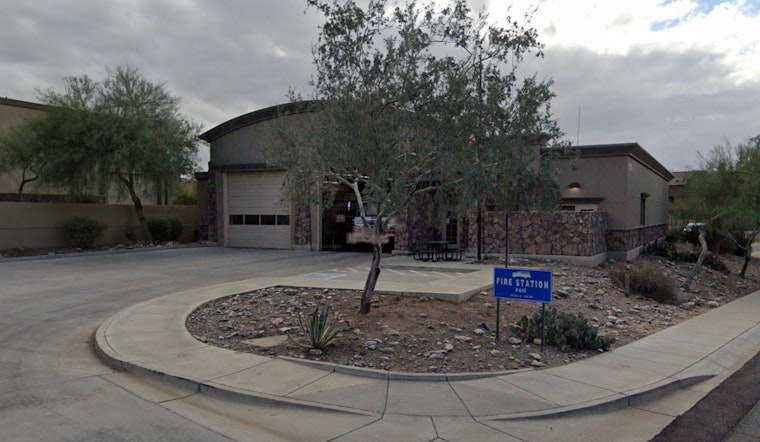
As Arizona grapples with an unseasonably dry winter, fire risks have heightened across the state, prompting concerns from fire departments and meteorologists alike. A brush fire in the Sereno Canyon Community was quickly stifled by the Scottsdale Fire Department, yet it served as a clear indicator of the inherent danger posed by the current climate conditions. "It was quickly moving. We are at a construction site," Captain Dave Folio said, a sentiment that underlined the urgency of the situation, while extending empathy to Californians facing similar threats, as noted by ABC15.
Flagstaff National Weather Service Meteorologist Darren McCollum highlighted the rarity of this dry spell, saying "Only 10% of the years or so have it such that we get no precipitation from November through early January, so it’s pretty rare." This dryness, combined with high winds and abundant dry brush, have created conditions ripe for fires to quickly develop and spread. As Arizona provides aid to California amidst their devastating fires, they simultaneously battle the 8,000-acre Horton Fire outside Payson. John Truett, of Arizona Forestry and Fire Management, underlined the need to allocate resources smartly, noting the state's commitment to assistance even amidst their active fires, as mentioned by ABC15.
The complexity of dealing with winter fires is exacerbated by the recent winter storm that struck Flagstaff. Although some areas saw snow accumulations, the storm also brought freezing temperatures and strong wind gusts up to 60 miles per hour, which can significantly influence fire behavior. According to AZ Family, Megan Taylor with the National Weather Service detailed the impact of the weather conditions, explaining, "It really brought cold and wind for us this time," and "this isn’t the classic fire pattern for us so we’re not too concerned about a wildfire threat." While the cold may help to suppress fires, the winds pose a challenge that can't be understated, disrupting efforts to contain ongoing fires such as the Horton Fire.
In response to these threats, agencies across Arizona are stepping up to train for increased fire risk and to thin brush from high-risk areas. Captain Dave Folio emphasized the importance of such fuel mitigation projects, stating "If you don’t do a fuel mitigation project to clear some of that out in some areas, it could turn catastrophic." This preventative strategy is crucial, especially when resources are stretched thin and the strongest workforce is not yet in place, a time when "some of our strategies and tactics have to change," as identified by John Truett in his interview with ABC15. Community involvement is equally imperative, with officials urging people to have emergency plans and to conduct fuel mitigation of their own. The community's support for such initiatives appears robust, bolstered by the passage of Prop 490 in November, aimed at boosting fire mitigation efforts throughout the area.
The confluence of dry conditions, powerful winds, and variable support pose a complex set of challenges for Arizona's firefighting crews. As the state stares down the barrel of a fire season without its usual climatic cadence, both preparation and adaptability will be key to staving off potential disaster. As both the terrain and the elements shift beneath their feet, the men and women on the front lines are forced to dance to a tune that nature unpredictably plays, one that demands vigilance regardless of the season, as shared by officials.





