

























































As 2024 comes to a close, the Arizona border has been a focal point of national attention due to a dramatic year marked by political visits, immigration policy changes, and a contentious election cycle. From the early January reopening of the Lukeville Port of Entry to the proposed crackdowns on immigration by President-elect Donald Trump, the Arizona-Mexico borderlands have wrestled with policy and human consequence.
Despite increased patrols and intense scrutiny, over 250,000 apprehensions were recorded at the border, as reported by ABC15. The year saw Senator Kyrsten Sinema's failed attempt to pass a bipartisan bill due to shifting political allegiances, propelled by pressures from then-candidate Trump. Sinema highlighted the abrupt change in support on the Senate floor, stating, "24 hours after we released the bill, my Republican colleagues changed their minds."
On the executive front, President Biden rolled back asylum access through an executive order for those crossing the border illegally, hoping to "regain control of our border," as he remarked on June 4. Subsequently, there was an observed decrease in crossings and a spike in deportations—actions that border volunteer Carolina Pena described to ABC15 as denying migrants with "credible fear," and thereby "just cruel."
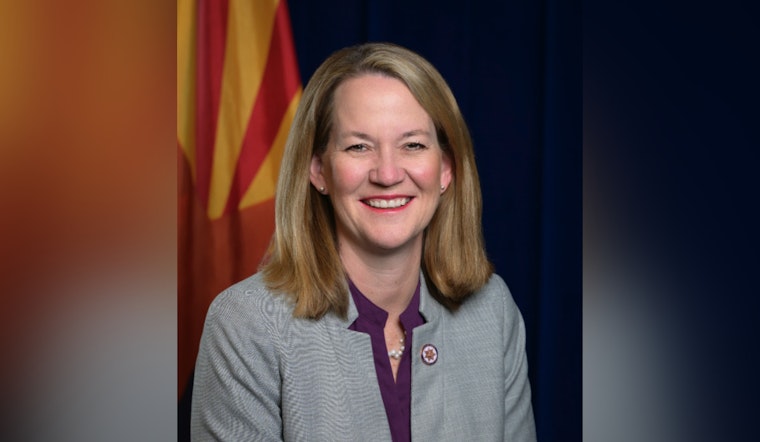
Against the backdrop of this upheaval, Arizona's Attorney General Kris Mayes has emerged as a counterbalance to President-elect Trump's immigration plans, particularly concerning the fate of more than 30,000 DACA recipients within the state. She firmly conveyed her stance in an interview with The Guardian, "I will not stand for an attempt to deport them, or undermine them." Mayes has also rejected the idea of detention camps and family separation measures on Arizonan soil, prepared to legally challenge what she believes to be unconstitutional actions.
Despite recent political currents, Mayes' optimism shines through when considering the Supreme Court, having trust in their eventual ruling to protect dreamers. In her words to The Guardian, "We want to give the courts the opportunity to make the right decision here, and we’ll be making very strong arguments on that proposition." The collaborative spirit between Democratic attorneys general across border states, excluding Texas, was also emphasized, with Mayes acknowledging their unified stance in protecting due process and individual rights despite the passage of Proposition 314—mandating state police to arrest undocumented individuals, which Arizonans passed in November.





