

























































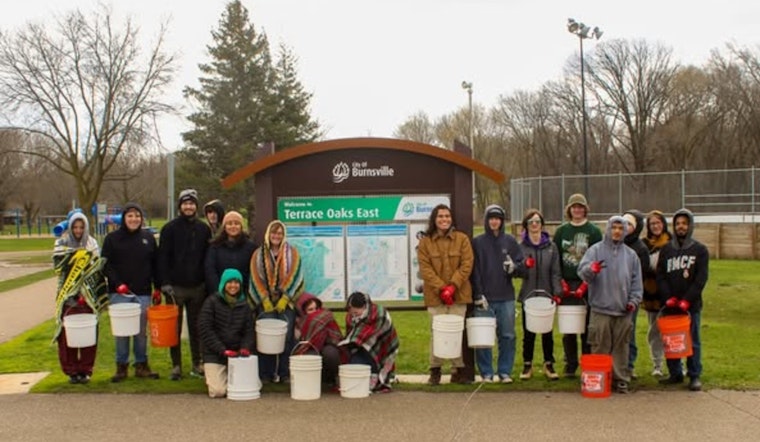
The citizens of Burnsville, Minnesota have given the city's natural resources a significant boost this past year, with a collective effort that tallied over 1,200 volunteer hours dedicated to environmental stewardship. The City of Burnsville's municipal government took to social media to applaud the community's commitment to preserving local habitats, an initiative that included the removal of invasive species, bluebird box monitoring and other vital environmental activities.
The enthusiasm, frankly speaking, was palpable in the city’s message that was posted online, acknowledging the hard work of those who devoted their time to the earth's well-being, spending weekends and afternoons amid the greenery and waters that define their home. Tracking the vital statistics of wetland and lake water quality, volunteers also rolled up their sleeves to collect native seed and plant wildflowers, inadvertently, beautifying the urban landscape while contributing to biodiversity. The city's gratitude was made clear, stating, "Thank you to everyone who made Burnsville a bit greener and cleaner this past year. We’re grateful for the opportunity to work alongside you."
This effort serves as more than a footnote in the community's efforts to address environmental concerns; it is a testament to the power of collective action. The tasks undertaken by the volunteers carry a weight beyond their immediate impact, from painting storm drain stencils to remind people of the interconnectedness of urban and natural spaces. While these activities are crucial, the city recognizes the importance of harnessing the passion of its citizens, effectively, to protect the environment.
The contribution of volunteers is particularly important in the face of global environmental challenges, threading the line between local action and the wider world's ecological concerns. With each invasive plant removed and every native seed sown, the volunteers of Burnsville are laying down a mosaic of efforts that, altogether, create a more sustainable and resilient ecosystem for their city. It's a narrative of small acts building towards greater achievements, and it is met with an overwhelming sense of gratitude from both the government and residents of Burnsville, which, often don't get enough recognition for such work.
As we move into yet another year, the seeds of community action planted in Burnsville promise to yield green dividends. These 1,200 hours are a building block for a future where local hands shape the health of their environment—a future that hopefully inspires many other communities to follow suit and invest those critical hours in the natural world that surrounds them.




