

























































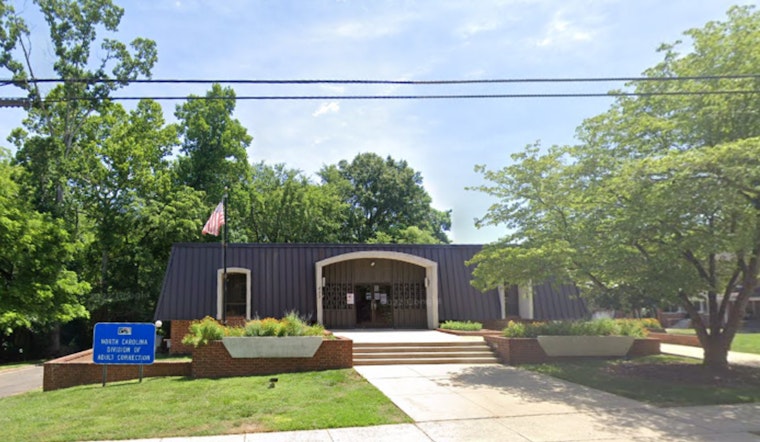
The North Carolina Post-Release Supervision and Parole Commission has confirmed that Leslie E. Davis, an inmate convicted of first-degree burglary and second-degree sexual offense in 1989, has been approved for parole. Davis, who was sentenced to life in prison for crimes committed in Carteret County, is set to be released on February 3, under the Mutual Agreement Parole Program, as noted in a press release issued by the North Carolina Department of Adult Correction.
The decision has come under the purview of Mutual Agreement Parole Program, which is defined as a scholastic, and vocational rehabilitation initiative that establishes a cooperative framework involving the Commission, the Division of Prisons, and the offender himself. It should be noted that Leslie Davis was convicted prior to the Structured Sentencing law enacted on October 1, 1994, which abolished parole for crimes committed thereafter; nevertheless, it is the Commission's duty to manage parole for those sentenced under older statutes, as reported by the North Carolina Department of Adult Correction.
A nod to the past, this decision embodies an ongoing legacy of North Carolina’s sentencing law precedents. The current parole approval highlights the distinction between pre- and post-Structured Sentencing law governing the state. Davis's impending release is bound to stir a conversation regarding rehabilitation, public safety, and the merits of the parole system as it stands today.
According to the official statement from the North Carolina Department of Adult Correction, “Structured Sentencing, eliminated parole for crimes committed on or after October 1, 1994.” However, they retain the responsibility to oversee the conditional release of those who have served time for earlier offenses, a task they take according to the, established regulations and statutes.
Questions regarding the parole process and specifics about the Mutual Agreement Parole Program have been directed towards the Parole Commission, as they continue to undertake their responsibilities mandated by North Carolina G.S. 15A-1371(3). For further inquiries, the commission can be contacted at (919) 716-3010.





