

























































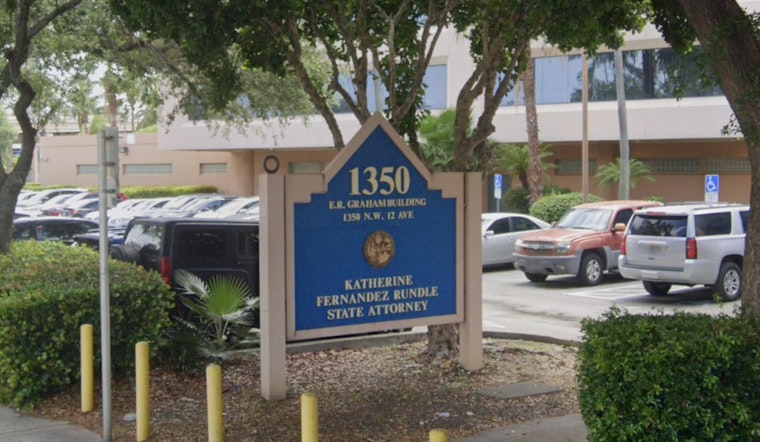
The saga surrounding former Miami-Dade mayoral candidate's campaign treasurer, Andy Santana, took a significant turn as charges of engaging in sexual activity with a minor have been dropped. As NBC Miami reported, the Miami-Dade State Attorney's Office announced it will no longer be prosecuting the case. Santana, the campaign treasurer for Alex Otaola's mayoral bid, was arrested following allegations that he maintained an unlawful relationship with a 17-year-old boy. Despite initial charges, his attorney has chosen not to comment on the dropped charges.
Details of the case reveal that Santana was accused of providing the minor with recreational drugs and allegedly carried on the relationship from May to about September. The teen had claimed that the relationship ended once Santana grew concerned over social media posts potentially exposing their sexual encounters. However, the alleged victim later recanted his statement, which contributed to sway the State Attorney's Office's decision. According to a statement obtained by NBC Miami, the individual claiming he was threatened by a masked person to make those allegations against Santana.
The former treasurer's initial arrest was deeply tied to Santana's role as campaign treasurer for Otaola, a candidate known for his social media presence and who finished third in the recent mayoral race. The campaign's reputation took a hit following the arrest, with Florida Politics reporting that incriminating videos and images surfaced, implicating Santana in the alleged misconduct. Otaola, meanwhile, utilized his Facebook platform to separate himself from Santana's actions, expressing his disapproval of any illegal behavior while hinting at the possibility of manipulation by adversaries seeking to undermine his political work, as obtained by Hoodline.
Despite the apparent severity of earlier reports, with allegations of drug-fueled sexual encounters and coercive behavior, the case's closure is marked by a lack of prevailing evidence substantiating the claims. The teen's retraction and the absence of physical evidence played a crucial role in the decision to drop the charges, as evidenced in the close-out memo released by prosecutors. To have once firmly placed him under the scrutiny of public and legal inquiry, Santana now finds himself not bound by the chains of a criminal prosecution. Nevertheless, he has remained silent on the matter, with no public comments since his arrest, and consistently refused to engage with authorities without legal representation.





