

























































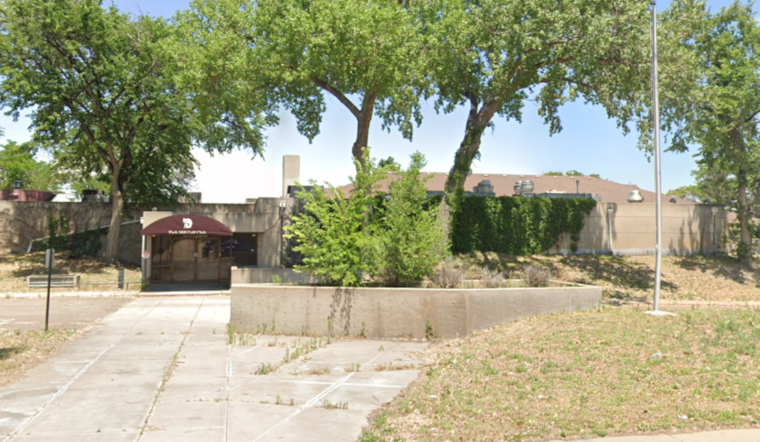
In a landmark move, the City and County of Denver have struck a deal to acquire the land of the former Park Hill Golf Course, as announced by Mayor Mike Johnston. The intent, as described by the city, is to convert the 155 acres into an expansive, urban park anticipated to be ready for public enjoyment by the summer of this year.
Through a near-equal land swap, Denver will hand over 145 acres of unused industrial city-owned land in Adams County to Westside Investment Partners, in exchange for the Park Hill property. Adams County and Westside have been credited for their cooperation, without which the acquisition would not have been possible. Expressing his vision, Mayor Johnston said, "We believe Park Hill can be a crown jewel of Denver.” According to the City and County of Denver, the mayor is enthused about the site's future, saying, "Together, we can make this the go-to destination for runners, readers, cyclists, picnickers, birdwatchers, and of course, children and families."
The historical overlay cannot be ignored as Park Hill Golf Course was first an orphanage for white children, before becoming a private golf course in the 1930s which, for the most part, did not allow Black guests until the 1970s. The park's opening promises a new chapter of inclusion and community use. "This land means so much to so many people in Northeast Denver,” said Penfield Tate, as per the City and County of Denver. He further added, “For the first time, it will be a park designed for gathering, a place not of exclusion but of inclusion.”
Spanning 155 acres, Park Hill will become one of the largest urban parks in Denver, underscoring the city's commitment to preserving open spaces amidst urban development. According to City and County of Denver, Denver Parks & Recreation Executive Director Jolon Clark, observed the rarity of such an opportunity, "This is a once in a lifetime opportunity to build a new regional park in the heart of the city," he noted. The city is also committed to addressing the pressing issue of affordable housing without disrupting the character of the neighborhood, especially one with a significant Black community presence, according to Councilwoman Shontel M. Lewis.
Denver Parks & Recreation's strategy for the Park Hill site is threefold. Initially, there will be swift actions to ensure safe public accessibility by the summer of this year. Secondly, interim amenities like dog parks and picnic tables would be added. The final stage involves an extensive community-led process to establish a long-term vision for the park. Mayor Johnston emphasizes the importance of Denverites leading this conversation to truly shape the space in line with communal aspirations.
With an impressive scale, only trailing behind City Park, Sloan's Lake, and Washington Park, the addition of Park Hill underscores Denver's largest single acquisition of private land for park development. Commitments from local officials and the city council are now in the pipeline to finalize the land exchange, thereby signaling a new era of communal recreation and sustainable urban planning.




