

























































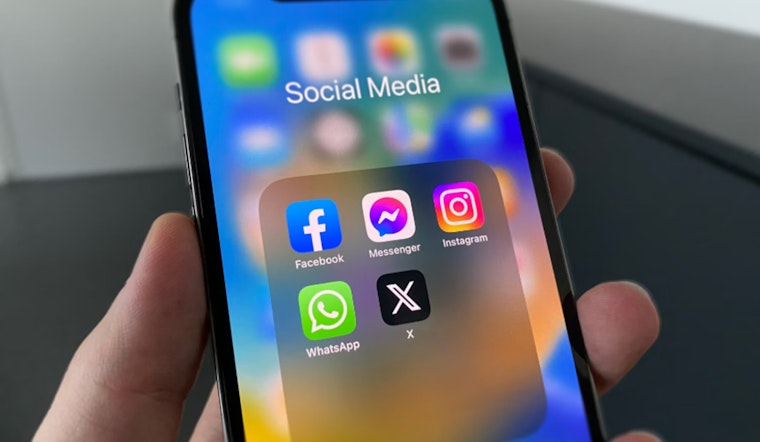
As the new year ushers in, so does the controversial social media law in Florida, seeking to shield minors from potentially harmful online content. As reported by CBS News Miami, effective today, children under 16 are now barred from creating social media accounts without parental consent. The law, introduced by House Bill 3 and endorsed by Governor Ron DeSantis last March, will see 14 and 15-year-olds needing to obtain guardian approval to maintain their existing accounts. Yet, the law is not fully active, with enforcement delayed to at least February amidst ongoing legal battles.
According to WUSF, two lawsuits are currently aiming to disrupt the law's enactment, with one declaring an infringement on First Amendment rights. The impending court cases have pushed the start of legal enforcement further back. The legal dispute's crux appears to center on whether this move importantly constitutes a necessary guard for the youth or an overstep into the bounds of censorship. Despite the tension, companies have been given a 90-day span to proceed to delete accounts and all personal information of those under 14, or 14 and 15-year-olds lacking parental approval.
Meanwhile, this law has sparked varied reactions from Florida's residents. “I don't agree with that. I think everyone should have social media,” Alex Goldsmith, 16, told CBS News Miami. His father, Neil Goldsmith, echoes this sentiment, stressing the importance of responsible usage and parental guidance over outright bans. On the flip side, some minors stand in partial agreement with the law, with 17-year-old Angel revealing concern over exposure to negative content and its ramifications on mental health.
As for social media platforms, the law threatens substantial fines of $50,000 per infringement for those failing to comply, once it is enforced. This move is part of a growing trend, with over a dozen states passing similar legislation aimed to curtail the access of social media for minors, touching on a broader national debate on the interconnected roles of governance, parental authority, and corporate responsibility.
The details of what sites fall under the law's reach remain somewhat ambiguous. However, it specifies an online service primarily used for e-mail or direct messaging with content shared exclusively between the sender and recipients as exempt. How precisely this will affect the vast landscape of internet platforms and the minors who navigate them, remains to be seen. For now, Florida waits on the federal court's decisions, with February 28 marked for a preliminary injunction hearing in the challenge led by NetChoice and the Computer & Communications Industry Association, as outlined in the reporting by WUSF.





