

























































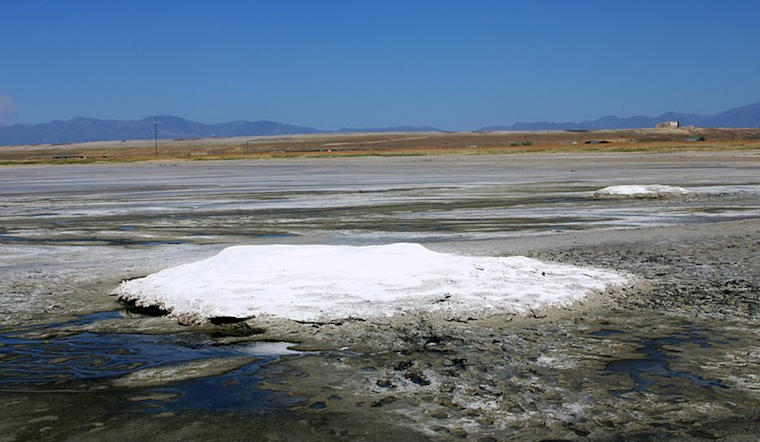
The Great Salt Lake, an iconic Utah landmark, continues to face significant ecological threats despite recent measures aimed at preserving its existence. As reported by FOX13, heightened efforts are needed to ensure the lake does not dry up, underscoring the need for sustained, long-term support. This call to action resonates with mounting concerns over the lake's depleted water levels, even as recent data shows a temporary resurgence.
Indeed, according to U.S. Geological Survey data cited by KSL, the lake's southern and northern arms have experienced fluctuations in elevation, with the former reaching its highest mark in five years in June 2024. However, William Anderegg, director of the Wilkes Center for Climate Science and Policy at the University of Utah, noted that a portion of the subsequent water level decline is attributable to the refilling of reservoirs, a process that while beneficial for regional water needs, has trade-offs for the lake's health.
Evolving perspectives on conservation and environmental responsibility signal the potential for broader changes in how water resources are managed, including adjustments to the agriculture sector. In a letter penned by Jennifer Molidor from the Center for Biological Diversity, as detailed by The Salt Lake Tribune, Molidor suggests that reducing the intake of beef and dairy products could alleviate water stress and support a transition to water-smart farming, benefiting ecosystems such as the Great Salt Lake.





