

























































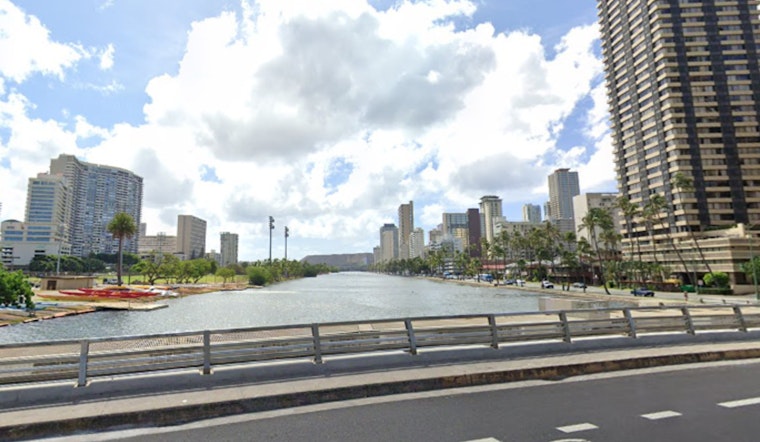
Honolulu is taking steps to get ahead of the curve when it comes to storm prep. An additional temporary debris boom was installed in the Ala Wai Canal. The installation was completed by Hawaiian Dredging Co., in coordination with state and local agencies, anticipating a severe weather system that is expected to hit soon, as reported by a Department of Land and Natural Resources news release.
As part of the strategic alliance among various government entities, including the Department of Land and Natural Resources, Department of Transportation, and the City and County of Honolulu, this second debris trap aims to capture rubbish before it can reach the ocean. Doing catch-up after more than 30 years of discussions, Meghan Statts, Department of Land and Natural Resources Division of Boating and Ocean Recreation administrator, was observed overseeing the deployment, stating to the Department of Land and Natural Resources, "We are trying to mitigate some of the debris coming down the canal with the big storm that’s predicted to hit us shortly."
The added boom is a complement, not a standalone solution, working alongside upstream efforts by Department of Transportation who, according to Statts, have been proactive in cleaning the canal area. "HDOT has been a great partner," Statts told Department of Land and Natural Resources, highlighting their consistent analysis and cleanup the day before and on the day of the installation. The undertaking appears to be a critical step in addressing the persistent issue of storm-pushed debris into the Ala Wai canal.
Despite the long-term challenge, Department of Land and Natural Resources is fortifying its efforts with the existing Department of Land and Natural Resources Division of Boating and Ocean Recreation trap, which previously only caught a fraction of the detritus, between 20-25%, as per the Department of Land and Natural Resources. With the second trap in place, the hope is to increase the catch rate. "We’re trying to catch as much as we can to help protect our natural resources and keep it out of the Ala Wai Small Boat Harbor and the ocean," explained Statts, acknowledging the gravity of unchecked debris overflowing into the Pacific.
This environmental approach by Department of Land and Natural Resources, Department of Transportation, and partners, holds more than the immediate wave of debris in check; it’s a try to navigate the management of a human-made crisis that has unfolded over decades. As part of the continuing dialogue on environmental stewardship, Statts encourages the community, "if you have trash, any kind of ‘ōpala, throw it away properly." The collective implications of individual acts resonate profoundly as they prevent trash from entering the streams or the canal, thereby curbing the relentless march of pollution into the ocean.
Public health is a key focus in environmental efforts. The Hawai‘i Department of Health advises people to avoid brown, murky waters or those with visible debris, especially after storms, as stormwater can carry harmful pollutants and bacteria. The Ala Wai canal, filled with both natural plants and man-made waste, is a particular concern. Installing more traps is part of the effort to protect the waterway and, ultimately, public health and Hawaii's natural beauty.





