

























































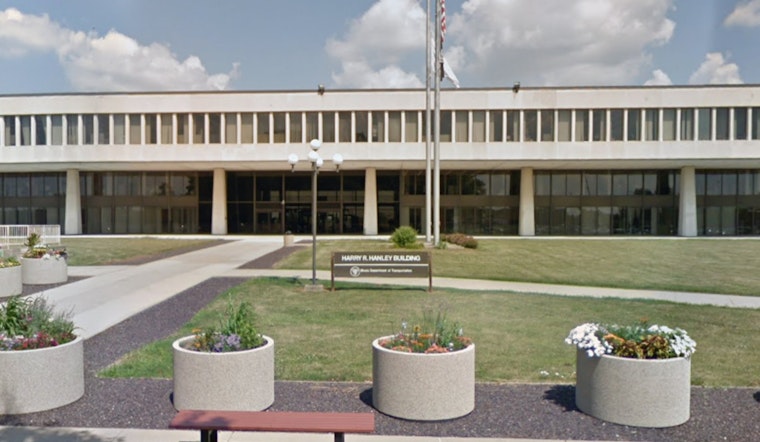
Gia Biagi, the new acting transportation secretary at the Illinois Department of Transportation (IDOT), has set her sights on expediting current construction projects, with particular focus on the Kennedy Expressway overhaul. According to Biagi, speaking to the Chicago Sun-Times, people "are going to see folks working all the time" as the department pushes the Kennedy Expressway project's pace, working to alleviate the ongoing "headache."
Biagi, replacing her city hat with one of broader reach, is watching over the project "like a hawk," a point she made clear in her Sun-Times interview. Despite the project entering its supposedly final year with a $150 million tab, the Kennedy Expressway construction has seen its share of delays, exemplified most recently by the last-minute extension of the closure of its reversible lanes. WGN Investigates analyzed contracts and discovered, rather incongruently, that only 70% progress had been made by September and October, while officials touted a schedule that proved too ambitious.
Originally expected to reopen this past fall, the expressway's gates remain steadfastly in their closed position until the week of January 13th, as reported by IDOT construction chief Sean Martschinke—although drivable pavement has been ready since August. The delay has spotlighted potential penalties the contractor, John Burns Construction Company, might face. According to details previously obtained by WGN TV, these could surpass $600,000 based on a clause penalizing late completion of $10,000 for each calendar day beyond October 31st.
While IDOT spokesperson Maria Castaneda originally downplayed the delay, citing a "very fluid situation," she later indicated that a thorough evaluation would follow the project's completion, influencing the decision on whether to enforce the penalty. As IDOT spokesperson Maria Castaneda said in an email, the contractor has submitted a request for an extension, and "once the project is completed, the department will complete a thorough evaluation of the request." As Chicago drivers navigate still-congested alternate routes, this beckons questions of accountability and logistical prowess within the corridors of IDOT.



