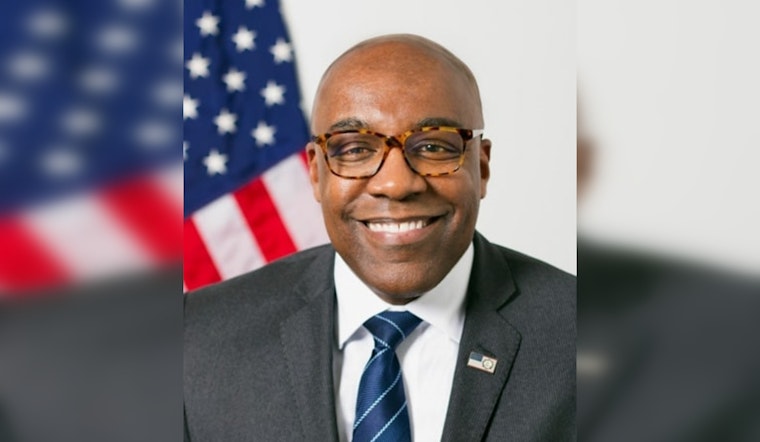
Illinois Attorney General Kwame Raoul has issued new guidance to the state's law enforcement community, clarifying the limitations on their participation in federal immigration enforcement. The aim is to reinforce the established boundaries set by the Illinois TRUST Act and the Voices of Immigrant Communities Empowering Survivors (VOICES) Act, pieces of legislation designed to foster trust between immigrants and police. According to the official announcement, Raoul's updated guidance spells out the do's and don'ts for police officers concerning federal immigration laws.
The TRUST Act, in particular, ensures that law enforcement officials in Illinois cannot arrest or detain individuals based only on their immigration status. "Civil immigration enforcement is the responsibility of the federal government. State law does not grant local law enforcement the authority to enforce federal civil immigration laws," Raoul stated, as per the Office of the Illinois Attorney General. Their duties in criminal investigations, however, will seamlessly continue to go unimpeded by these regulations.
Furthermore, the guidance delineates the scope of the Way Forward Act, which allows Raoul's office to investigate and take civil action if compliance with the TRUST and VOICES Acts is not met by state or local law enforcement. A noteworthy requirement of the Way Forward Act stipulates that agencies must annually report to the Attorney General's office, detailing interactions with immigration detainer requests or civil immigration warrants. Information on these reports is accessible via the Attorney General’s website, elucidating these data points to the public.
Local law enforcement is strictly barred from providing support, whether it be through personnel or resources such as electronic databases, to federal immigration agents' civil investigations or enforcement activities. The new guidelines clearly state that agencies are prohibited from "participating, supporting or assisting in any capacity with federal immigration enforcement operations," unless a strictly required situation by a criminal warrant or federal law, the Office of the Illinois Attorney General noted. Moreover, these measures are in place to assure immigrants that they can interact with law enforcement without the looming fear of deportation, should they be witnesses or victims of crimes.