

























































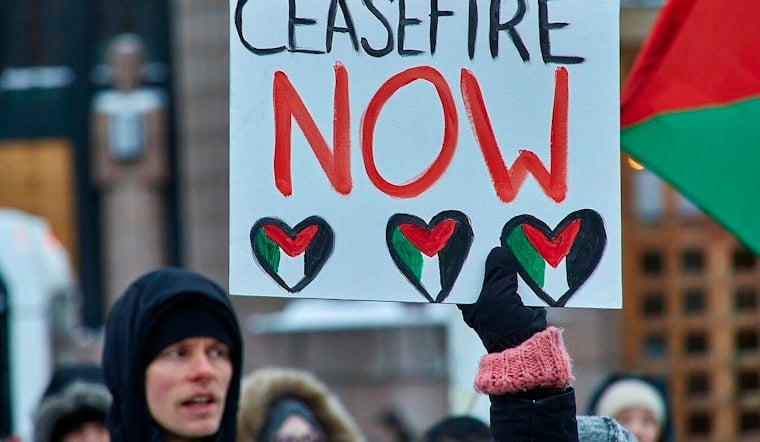
The ripple effects of the recently brokered Israel-Hamas ceasefire are being felt far from the Middle Eastern conflict zone, touching lives in Arizona, where emotional reunions between freed hostages and their families marked the nascent peace. According to a report by ABC15, the ceasefire kicked off with children, women, and the elderly among the first to be released by Hamas, as part of a larger three-phase ceasefire plan intended to last eighteen weeks. Each phase rolls out further concessions, with Israel permitting increased humanitarian aid into Gaza and committing to an eventual end to the blockade of the Gaza Strip.
Meanwhile, the Arizona Palestinian community shares its own narratives of loss and hope. A poignant poetry reading by Mosab Abu Toha, who lost 25 family members, captured the pain experienced during Israel's military response. Mohamed El-Sharkawy, a local Palestinian community leader, recounted to ABC15 the devastation of losing 54 relatives in a single strike and expressed hope that the new US administration would assist in the region's rebuilding.
Further north, at the University of Arizona in Tucson, students have been actively engaged in the discourse regarding the conflict, with reactions to the ceasefire pouring in from both Palestinian and Jewish students. As shared with KOLD News 13, Ahmad Riyah, president of the Arizona chapter of Students for Justice in Palestine, emphasized that “this is a first step. It’s important to realize that there’s still so much more work to do,” signaling a cautious optimism tempered by the recognition of the long road ahead for genuine peace and recovery.
On the same campus, students from groups like Students Supporting Israel also weigh in on the ceasefire’s implications for future discourse. Joseph Lecayo, a member of the group, expressed to KOLD News 13 that the agreement opens doors for constructive conversation: “We can discuss things and we can do it in a safe and welcoming manner.” As the first phase of the ceasefire unfolds, young activists on campus stress the importance of sustained dialogue and pressure for accountable leadership, striving for a change that reaches beyond the classrooms of the University of Arizona.
However, the overall sentiment among students and community leaders alike is one of cautious hope, tempered by the awareness that the current ceasefire, while providing a much-needed reprieve from violence, may not be the final resolution to a conflict deeply rooted in the region’s history. The next six-week phases of the ceasefire plan will ultimately determine whether this commitment to peace holds firm or yields to the pressures of longstanding disagreements and geopolitical tension.





.jpg)