

























































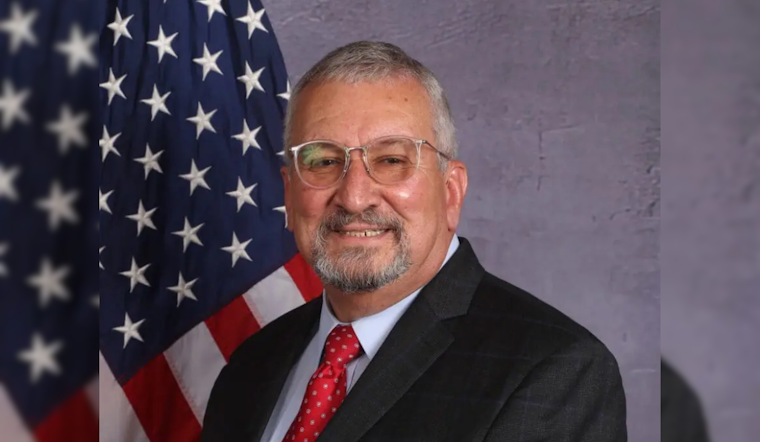
Dr. Luis Vazquez, currently serving as the wellness coordinator for the Las Cruces Police Department (LCPD), has taken on a new role as a member of the American Psychological Association's Committee of Socioeconomic Status. In this capacity, he is set to contribute to efforts that tackle issues related to socioeconomic disparities over a three-year term that kicked off at the start of this year.
The appointment, as announced by the City of Las Cruces, entrusts Dr. Vazquez with a mission to both identify and act as a catalyst for advancing the association's understanding and responses to socioeconomic status (SES) challenges. Among the committee's charge is the promotion of research and practice in psychology that appropriately considers the complex impacts of SES.
As reported, the committee is tasked with several specific responsibilities. These include the collection of relevant data documenting SES issues, fostering a robust scientific grasp of how poverty and SES intersect with health, education, and overall human welfare, and the development of psychological application strategies that fully integrate SES considerations.
Moreover, Dr. Vazquez's role will involve a strong advocacy component, pushing for social policies aimed at narrowing the rift between different SES groups. This is in line with the Association's overarching goal to ensure SES subjects are granted the attention they duly deserve within its scope of work.
In his role back at the LCPD, which began in July 2024, Dr. Vazquez has significantly contributed to the department’s wellness endeavors. He has played a crucial role in creating the department's holistic 'Six Pillars of Wellness' program, which aims at reinforcing officers' resilience through the strengthening of mental, emotional, physical, social, spiritual, and financial wellness.
Dr. Vazquez's term with the American Psychological Association's Committee of Socioeconomic Status, which commenced on January 1, is expected to continue until the end of December 2027, during which he will apply his expertise toward the enhancement of the psychological profession's approach to socioeconomic issues.





