

























































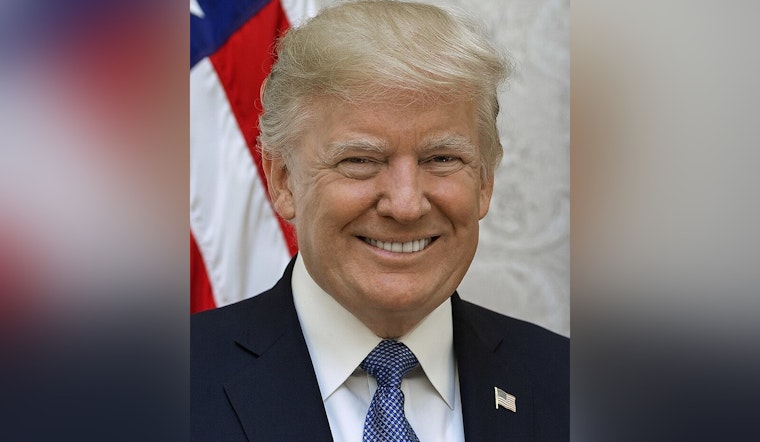
Massachusetts has thrown its legal hat into the ring, joining forces with other states to obstruct a directive from the Trump administration that puts a temporary hold on federal grant and loan programs. The action initiated by President Trump’s Office of Management and Budget is said to collide with the constitutional principle of separation of powers, and Massachusetts Attorney General Andrea Campbell, backed by colleagues from New York, California, Illinois, New Jersey, and Rhode Island, looks to the courts to prevent the order from crippling essential funding, as per a report by WCVB.
According to a WBUR report, Governor Maura Healey described the effect of Trump's order as "really bad," detailing the severe impact expected for services such as senior home heating support, child care assistance, and infrastructure projects, the future of such initiatives hangs in the balance, although it's unclear if the reported disruptions in accessing Medicaid funds by several states, including Massachusetts, are directly connected to the funding freeze.
Massachusetts officials are dealing with a standstill as they aim to access $40 million earmarked for Medicaid, a gap in funding that could mean consequences beyond just budget sheets, resonating through the veins of healthcare, education, and public services.
While the Trump administration insists that individual assistance such as Social Security, Medicare, and food stamps will remain intact, the backlash against the administrative freeze questions the broader implications for state and public service sectors, OMB's Acting Director Matthew Vaeth had outlined in a memo the necessity of pausing federal financial assistance in certain areas including foreign aid and programs considered under the banner of 'the green new deal' among others, and this move has fostered a climate where even previously awarded grants are left in limbo.
In their legal stand, the attorneys general are clear in their opposition, echoing the sentiment that the president's office has no ultimate authority over the enforcement of Congress-mandated expenditure. "Congress controls the purse strings, and the executive branch cannot decide to halt funding just because they don’t like how Congress chooses to spend it," Campbell stated in a virtual press conference reported by WCVB. This battle for budgetary control, now heading to the courts, will be a landmark test of the limits of presidential power over public purse strings.




.jpg)