

























































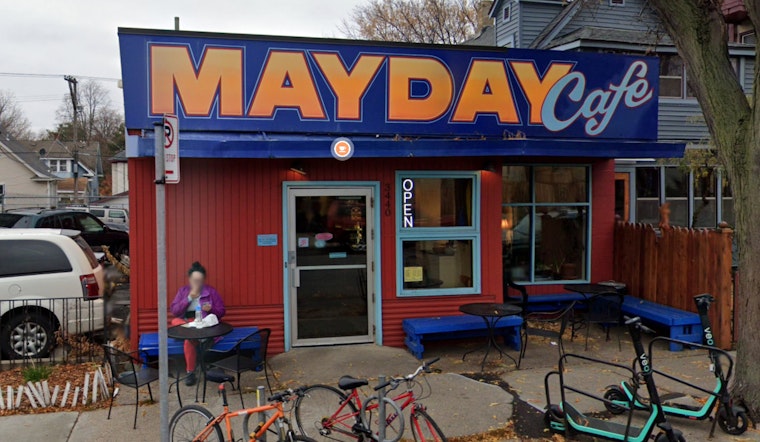
In a notable step towards fostering worker empowerment and community preservation, the Minneapolis City Council has come forward with a financial boost for a local business aiming to restructure into a worker cooperative. The May Day Café, a long-standing establishment in South Minneapolis, is set to transition into the hands of its workers, thanks to the recent city council's financial endorsement.
The support comes in the form of a $130,000 Great Streets loan, an initiative targeted at invigorating Minneapolis's commercial districts. As announced by Council Member Jason Chavez of Ward 9 in a social media post, the loan's purpose is multi-faceted, facilitating not only the property purchase but also amplifying the philosophy of worker ownership. In his words, "This will assist in purchasing the May Day Cafe, located at 3440 Bloomington Ave South," aiming to retain the café's community roots while bolstering worker autonomy.
The decision has been interpreted as a significant move by the city council, considering the increasing discussions surrounding economic models that prioritize worker rights and community engagement over traditional capital-driven business operations. Minneapolis appears to be embracing a future where local workers have a vested interest and say in the direction of the businesses that contributes to the fabric of their city.
The awarding of the loan marks a victory not only for the workers at May Day Café but also for advocates of cooperative business models that strive for fairer and more inclusive economic practices. With the assistance of the loan, as Chavez highlighted, the café is on a clear path, committed to maintain its identity and presence in the community while transforming its internal power dynamics. The venture is seen not just as a business transaction, but as a broader statement on the city's commitment to its working citizens.




