

























































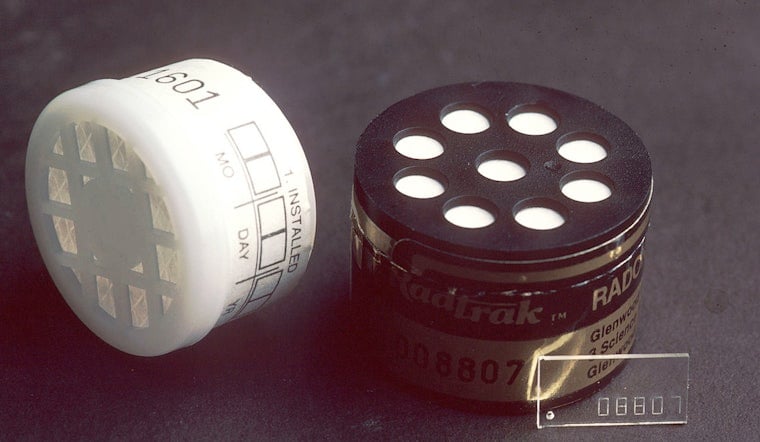
In a bid to safeguard residents against the silent threat of radon, the City's Health Department in Minneapolis is distributing 400 free radon test kits during the month of January, which is also recognized as Radon Action Month. According to a report by the city's official website, radon exposure, which accounts for nearly 21,000 lung cancer deaths annually in the United States, is a largely preventable health risk.
Emphasizing the importance of vigilance, the Health Department is urging community members to take the initiative and test their homes. Statistics reveal that two in five Minnesota homes exhibit elevated levels of radon, with state averages surpassing three times the national mean. Given that homes in Minnesota are typically sealed for warmth during winter, the season presents an ideal opportunity to assess indoor radon levels accurately.
The test kits come with straightforward instructions and prepaid postage, simplifying the process for residents. For those without digital access, kits can still be acquired by calling 311. Should supplies run out, the state also offers low-cost alternatives. Alex Vollmer, Minneapolis Health Department's Lead and Healthy Homes manager, underscored the potential dangers posed by radon, stating, "Radon can affect any home or building and can be deadly with long-term exposure. We care about everyone in our community, that's why we are passionate about radon education and are encouraging everyone to test their homes for radon."
As an invisible, odorless gas emanating from the soil, radon can infiltrate homes through minute fissures in the foundation. The only way to determine a home's radon level is by conducting a test. Additionally, radon is recognized by the U.S. Environmental Protection Agency (EPA) as the second leading cause of lung cancer overall and the leading cause among nonsmokers. Should residents find their homes to have high radon levels, they are advised to promptly install a mitigation system and to potentially contact the Health Department to discuss grant funding options. The EPA recommends to also conduct testing if the home has undergone renovations or hasn't been tested in the past two years.
For more information, citizens can view a promotional video regarding the free radon test kits, learn more about radon testing, and watch Gregory Wheeler's testimonial about his experience with the Health Department reducing radon levels in his home by visiting the city’s health department page.





