

























































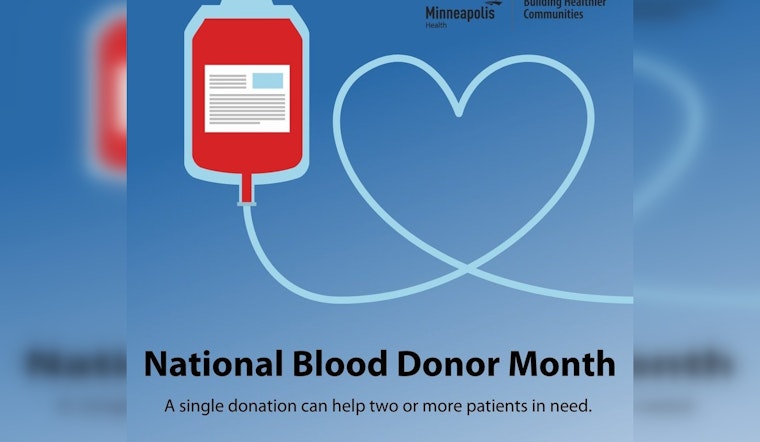
In the United States, the call for blood donors is a persistent echo, one that reverberates with more urgency during January, recognized as National Blood Donor Month. The City of Minneapolis Health Department recently highlighted this national need in a social media post, which emphasized the staggering reality: someone needs blood every two seconds, yet a mere 3% of eligible Americans donate blood. It's a stark contrast to the 65% who have the capacity to give.
"Every drop counts! This #NationalBloodDonorMonth, take a moment to make a difference—donate today and help save lives! 🩸💓" reads the City of Minneapolis Health Department's appeal. For those unsure where to donate, they provided a link to find local donation centers. The simplicity of the act – a single donation – holds the profound potential to save more than one life.
As the month of January winds down, the urgency to donate blood does not. Hospitals and clinics rely on the kindness of donors year-round to maintain an adequate supply for surgical procedures, medical treatments, and emergency responses. The disparity between eligible donors and actual donors speaks to a larger issue, one that impacts healthcare systems and the recipients of these life-giving transfusions. People who can donate, for various reasons, often do not, creating an invisible strain on an already tenuous supply chain.
Responding to this call to action, residents can play an invaluable role, literally rolling up their sleeves to help fellow community members in need. Apart from the obvious benefit to recipients, blood donors often report feeling a sense of satisfaction knowing they've contributed to a vital community service. "One donation can save more than one life," the Health Department post reminds, underscoring the weight that each individual contribution can carry.
The importance of blood donation is not only a January conversation but also an ongoing discourse, essential to the well-being of the community at large. As the Minneapolis Health Department continues to promote blood donation beyond National Blood Donor Month, it becomes increasingly clear that such efforts require a collective response, a unified stride toward bridging the donor deficit. For those ready to step up, the opportunity to save lives is just an appointment away.





