

























































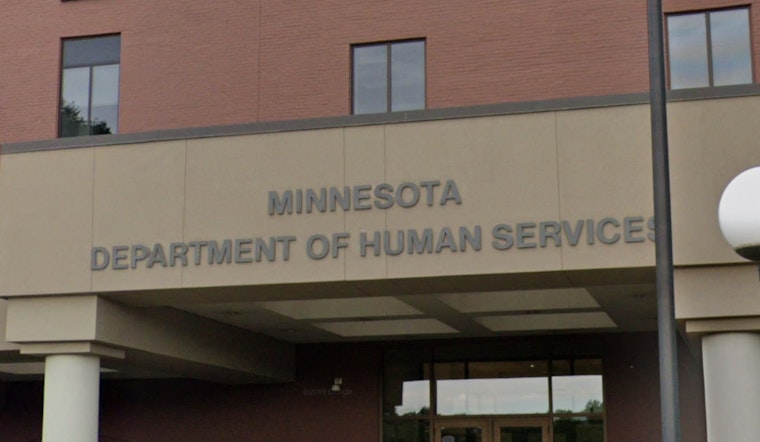
Minnesota's Department of Human Services (DHS) just rolled out a report that may just be the roadmap to health equity American Indian communities have been waiting for. The document, a collaboration with community leaders, titled "Pathways to Racial Equity in Medicaid: Improving the Health and Opportunity of American Indians in Minnesota," is chock-full of insights and action steps aimed at reducing disparities in health care. It's a significant move, as the report represents a collective voice of American Indian community members, Tribal leaders, and health care providers, calling for a shift to center Indigenous practices in health care delivery.
Dr. Nathan Chomilo, Medicaid Medical Director and the report's lead author, emphasized the urgency of these changes, stating, "Improving how we administer Medicaid is crucial as we collectively work toward achieving health equity with American Indian communities in Minnesota." He pushed for immediate implementation of the report's recommendations for a more culturally inclusive health care system. Echoing his sentiment, Takayla Lightfield, the report's lead facilitator, recalls sitting down with other Native people during a shared meal, realizing there was a gap between Medicaid's coverage changes and community awareness. In the shared meals and conversations, community members voiced not just challenges but also potential reforms to improve the system.
Breaking down its calls to action, the report demands Medicaid to invest in traditional healing services, with a proposal to consider federal waivers or integrate these services directly into Medicaid plans. This speaks to addressing the social drivers of health—a concept well beyond the narrow confines of Western medicine. Further, the report pushes for a unified definition of health and well-being, one that is attuned to Indigenous values and cultural practices, a significant move that aligns with the White House's 2022 policy guidance on Indigenous knowledge.
Perhaps the most forward-thinking initiative is the proposed establishment of the Pathways to American Indian and Tribal Health Integration (PATH-I) Team. Making sure American Indian communities have their say, this team would focus on fostering dialogue and enhancing cultural competence across state agencies. Highlighting the importance of integrated community perspectives, Dr. Charity Reynolds, Medical Director for Fond du Lac Human Services Division, told the Minnesota DHS, "It's crucial that decision-making processes include representation from the communities being served." In addition to her involvement with the report, she underscored the imperative to translate patient challenges into policy advocacy.
The DHS is wasting no time, with plans to put these recommendations into practice immediately, as well as settings for inclusive conversation with community members and health providers. This report is the second of its kind, following a 2022 DHS publication focused on health disparities among U.S.-born Black Minnesotans. With the state agency's promising start in 2025, American Indian communities in Minnesota might soon see a Medicaid system that reflects and respects their cultures and values.





