

























































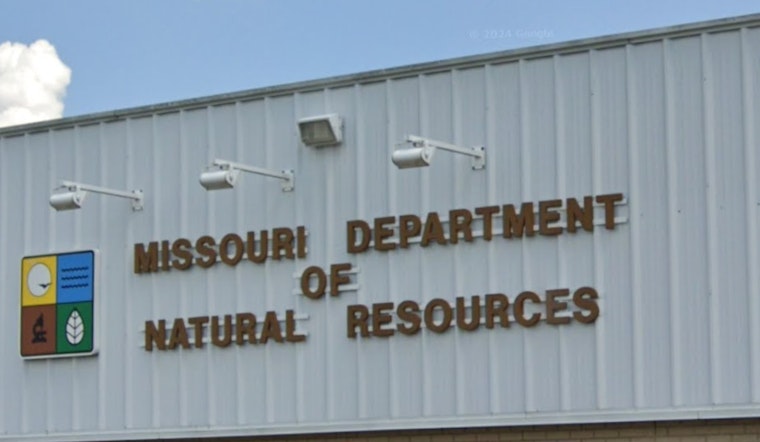
The State of Missouri is channeling funds into the fight against water contamination with a sizeable grant aimed at improving St. Louis's wastewater infrastructure, tackling emerging contaminants like PFAS with both technology and financial muscle. A $3.9 million grant, courtesy of the Missouri Department of Natural Resources, has been awarded to the Metropolitan St. Louis Sewer District for significant upgrades expected to wrap up by July 2026—a move necessitated by the growing concerns over pollutants that threaten our ecosystems and health alike.
Specific upgrades include the development of a granular activated carbon pretreatment system situated at the Prospect Hill Landfill tasked with treating leachate tainted with PFAS, these upgrades should curtail these harmful substances from barging into the district's collection system and the Bissell Point Wastewater Treatment Plant will then contend with the treated leachate as a part of its usual process, according to the Department of Natural Resources.
The upgrades are bankrolled by the Emerging Contaminants Grant, which is a slice of the Clean Water State Revolving Fund—essentially a Bipartisan Infrastructure Law pot of money designated for such environmental interventions. "Helping communities address emerging contaminants can be expensive, but we are committed to being good partners with our local communities to help ensure they succeed," Missouri Governor Mike Parson explained—the grand scheme being not only to cleanse our water but to encapsulate the very ethos of community resilience.
Indeed, the initiative is part of a larger commitment by the Missouri Department of Natural Resources to buttress water and wastewater infrastructure across the state, and Dru Buntin, Director of the Department of Natural Resources, punctuated this by saying, "One of our priorities is helping Missouri communities maintain and improve their wastewater treatment systems," this commitment accompanied by an array of financial assistance programs designed to prop up community projects, which not only reduces the fiscal burden but also underscores the communal spirit defining such collective undertakings.





