

























































Scientists at Tulane University and Informuta, Inc. have made a significant breakthrough in predicting bacterial resistance to antibiotics. Their findings, published in Nature Communications, identify a genetic fingerprint that can forecast which bacteria are likely to become resistant to drugs. This discovery could change how doctors treat infections.
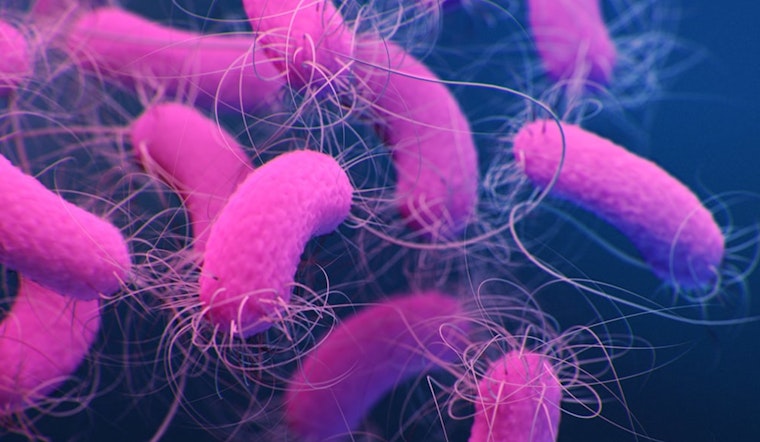
According to a Tulane University news release, the research focuses on Pseudomonas aeruginosa, a bacteria known for its resistance to many antibiotics. The scientists identified specific mutations that signal a bacteria's likelihood to develop resistance. "If we see this pattern when we sequence its genome, we can expect it to become drug-resistant if you try to treat it," said Kalen Hall, PhD, CEO of Informuta.
This discovery has significant implications for healthcare, offering a way to better use antibiotics and reduce bacterial resistance. Current practices can lead to overprescription and misuse of antibiotics, which encourages bacteria to become resistant, making infections harder to treat.
With over half of antibiotics prescribed unnecessarily or inappropriately, this research highlights the need for more precise treatment. Hall and Pursell’s work helps not only predict resistance but also find ways to stop it by targeting specific bacterial pathways.
Informuta, led by Hall, is developing a machine learning tool to predict antibiotic resistance. "There’s absolutely nothing like this available right now, and it would be game changing for so many patient populations. Antibiotic resistance is getting worse year over year," Hall said in the same release.




