

























































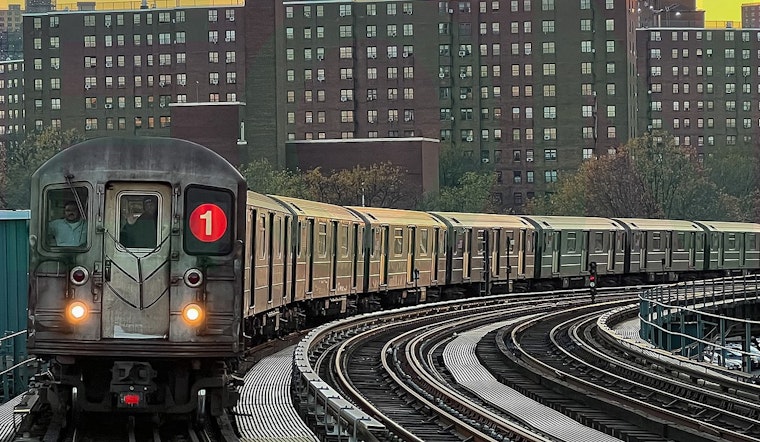
With the advent of congestion pricing in New York City, a notable shift appears to be occurring in the transit patterns of the metropolis. According to ABC7NY, the MTA recorded a slight increase in subway ridership following the introduction of the new tolls. On Monday, subway usage ticked up by 4 percent year-over-year—with 3.4 million riders choosing the underground rails.
Despite the MTA's hopeful projections on mass transit's uptick, the real verdict will trickle in as New Yorkers contort their commutes around the new fiscal hurdle. Simultaneously, with the new cost of driving below 60th Street in Manhattan looming over the city's head, an unanticipated byproduct has been witnessed. Having parked their cars along the peripheries, some drivers have taken to foot, striding to their destinations to dodge the toll, as reported by PIX11.
Amid these changes, safety concerns still tarnish the appeal of the subway for numerous residents. ABC7NY reports the NYPD's reaction to alleviate anxious sentiments by deploying 200 additional officers to patrol trains and platforms. Mayor Eric Adams resonates a hands-off approach on the matter, stating, "The state and the governor must deal with the finances of the MTA. I have 99 problems (and) I have to deal with what's in my portfolio," Adams told ABC7NY.
As the concrete jungle rumbles with the drumbeat of change, so do the people stir and shift. Some New Yorkers like Demetri, a Queens resident, find themselves straddling hope and the seasoned skepticism of city living. "I’ll wait and see. Hope for the best. I’m also a jaded life-long New Yorker," he told PIX11 in what has become a shared feeling for many. The tolls, which hit most car drivers at $9 during peak times, are not just figures on a screen. They are markers of an adaptation period, during which new routines are forged under the pressure of urban evolution.





