

























































The streets of New York remain shadowed by a law that has, for over two decades, let impaired drivers slip through the hands of justice. A legislative loophole, which necessitates law enforcement to pinpoint the exact drug impairing a driver and requires that it be on a specific pre-approved list, has been a point of exasperation for victims and police alike. According to a CBS News New York investigation, this legal gap continues to challenge the state's fight against drugged driving, despite ongoing calls for its amendment.
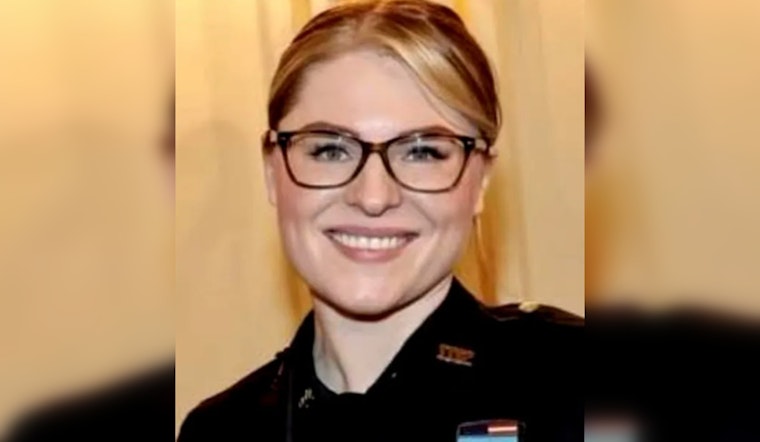
In a tragic illustration of this issue's significance, NYPD Officer Emilia Rennhack's life was cut short by an accused drunk driver whose mother-in-law expressed both her grief and anger. "He was drunk midafternoon, 64 years old, drunk and I hope he rots in hell," said Holly Rennhack, detailing to the Daily News the devastation wrought on multiple families due to one man's reckless decisions. The same source recounts Rennhack's dedication to her profession, a record marked by numerous arrests and accolades, now irrevocably stained by the tragedy of the incident.
The legal shortcomings extend beyond this singular event. In another case, back in October 2021, an NYPD officer was left permanently injured after being struck by a drug-impaired truck driver. The difficulties in prosecuting the truck driver underscored the stark challenges of the current law. "If you see impairment roadside, and you can't name that drug, the current law wants you to let that person go," explained NYPD Det. Timothy Kessler to CBS News New York.
The urgency for reform was echoed by New York Governor Kathy Hochul, who, when pressed by a CBS News New York reporter, conceded that the loophole should not persist. "No, I don't think we should have a loophole that allows people who are under the influence to get behind the wheel. Do not believe that," Hochul said, although signaling that collaboration with the Legislature was essential. However, in her State of the State address that followed, the issue of drugged driving laws was conspicuously unmentioned, but a related book did cite a commitment to proposing legislation to close critical loopholes.
Despite this commitment, the response from New York lawmakers has been noncommittal at best. Repeated attempts to engage Assembly Speaker Carl Heastie and Senate Majority Leader Andrea Stewart-Cousins have been met with silence.





