

























































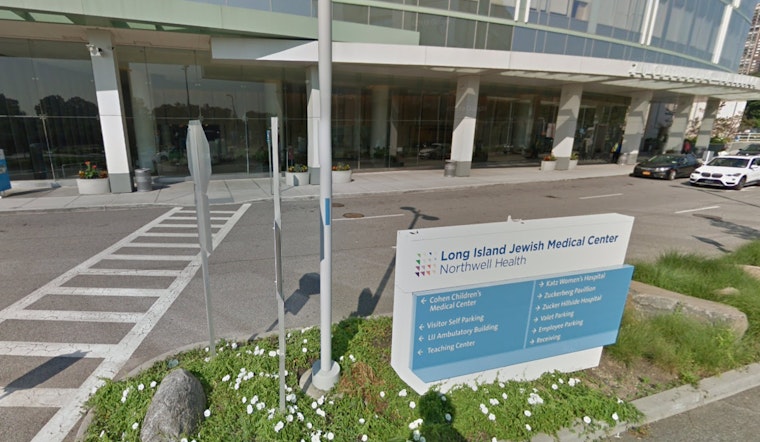
Northwell Health is doubling down on its commitment to advancing cancer treatment and research, with its sights set firmly on increasing its market share in the competitive bone marrow transplant field. A significant $19 million construction plan is underway to refurbish a 9,000-square-foot space at the Long Island Jewish Medical Center, making room for an 11-bed transplant unit. This expansion is expected to substantially beef up Northwell's capacity to handle adult transplants and could, according to documents obtained by Crain's New York, snag a healthy slice of the regional market share by 2028.
This bold move isn't just about expanding facilities; it brings a deeply human benefit to those in dire need of transplants. In a complex and pricey healthcare landscape where a single bone marrow transplant can cost up to $782,000, it's worth noting that in 2023, more than half of the recipients were on Medicaid or Medicare. The addition of this new unit aims to not just merely to improve care access for a vulnerable patient population, but to also project an increase in Northwell's overall adult bone marrow transplant market share by half over the next few years.
But Northwell's efforts don't stop at bricks and mortar. Dr. David Chung, a seasoned oncologist with over two decades of experience, has been tapped as the director of clinical research at Northwell’s cancer institute, signaling a drive to enhance the healthcare system's capabilities in clinical trials and treatments for multiple myeloma. "Having those available at a facility is important in terms of advancing the field and making sure that patients have exposure to the newest treatments," Chung told Long Island Press. His extensive experience, particularly from his time at Memorial Sloan-Kettering Cancer Center, positions him uniquely to spearhead these advancements.
Dr. Chung's appointment and his vision for patient care underline an evolving perspective in oncology. Cancer is no longer a monolithic disease; it's an array of conditions requiring nuanced approaches, as detailed by Long Island Press. Chung explains, "Traditionally, cancer has been thought of as a single disease. But we know that even within certain types of cancers, like if you say someone has lymphoma or someone has a GI cancer or something similar to that, that they’re not all exactly the same and there are many multiple subtypes within each type of cancer." Under his leadership, Northwell aims to not just offer, but also to personalize treatments, catering specifically to these subtypes for optimally better health outcomes. In the words of Chung—intent on establishing a targeted focus group for multiple myeloma—"that basically means that cancer, as we have learned over the years, is a much more complex process and associated with that is that treatments also need to be tailored toward that subtype of cancer."
While multiple myeloma remains incurable, Chung carries a cautiously optimistic tone about turning this disease into a chronic condition that patients can live with for extended periods. This endeavor is particularly relevant to the patient demographic in New York, as Chung noted that individuals exposed to the toxins during the September 11 attacks are at heightened risk of developing this type of cancer. As Northwell forges ahead with both its infrastructure and research advancements, it's clear that the health system is keen to assert itself as a frontrunner in both cancer treatment and compassionate patient care.





