

























































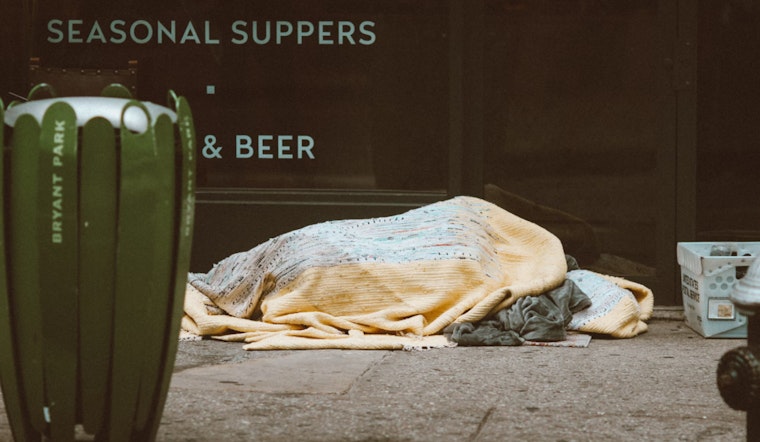
As New York's winter bite deepens, outreach programs are doubling down on efforts to address the health and well-being of the city's homeless population, particularly those grappling with substance abuse and the cold's unforgiving impact.
Crain’s New York reports that the street outreach program operated by Health + Hospitals, known as SHOW, is providing direct medical care to thousands of unsheltered New Yorkers, this at a time when the cold intensifies the struggle for survival on the streets—the program's vans and clinicians often represent the sole health care link for individuals cut off from the conventional medical system, the reason being their unstable living conditions which makes the situation more hazardous both physically and mentally for this vulnerable group.
With winter exacerbating health risks like hypothermia and frostbite, SHOW's operations turn a vital corner and officials are vigilant, "In the winter, we do special training with our team and prepare ourselves to be on the lookout for hypothermia, frostbite and skin tissue injuries," Operations Director Andy Cook told Crain’s New York, Dr. Yinan Lan added, highlighting the prevalence of exposure-related injuries among their patients.
In another part of the city, as covered by CBS New York, a fresh initiative by Acacia Network, in partnership with the New York State Office of Addiction Services & Supports, unveils a new mobile medication unit in the Bronx intent on providing substance abuse treatment right on the sidewalk, where they need it most making it more accessible than ever they say, with hopes of reaching those who typically wouldn't seek help, Chinazo Cunningham, the state commissioner, articulated how crucial such accessibility is: "All people have to do is walk out the door, and then they have treatment right there in front of them."
Apart from the chilly conditions, shelters are not always a guaranteed sanctuary, which puts street teams in tough spots when deciding the best course of action for individuals unable to make the right call due to cognitive clouding from the cold; that said securing temporary housing and care involves navigating the complex mesh of city services, Cook explained the process, "Securing emergency housing or emergency placement isn't always guaranteed, but there is a pathway for us to request placement, working with [the Department of Homeless Services] and the shelter providers," these efforts emblematic of a wider strategy to connect at-risk New Yorkers to a broader swathe of safety net services, as detailed by Crain’s New York.





