

























































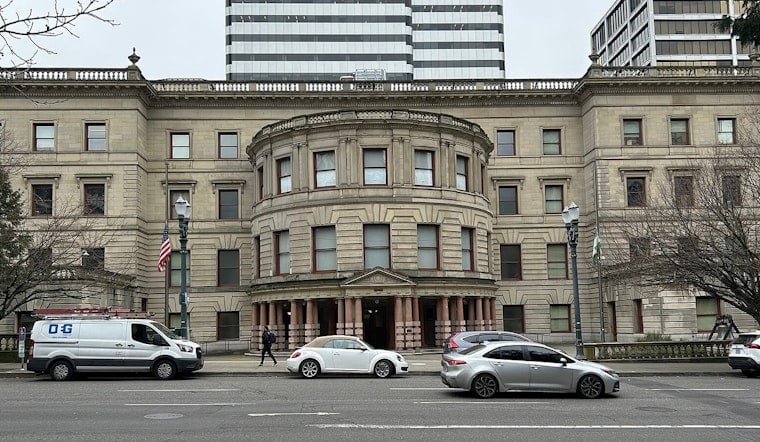
Portland's Bureau of Planning and Sustainability (BPS) kicked off the new year with updates on a suite of city projects aimed at growth, sustainability, and enhancing the local communities. The focal point for this month is the Reconnecting Albina Planning Project (RAPP), which seeks to develop the district while ensuring benefits for Portland's Black and historic Albina communities. RAPP is a collaborative effort involving BPS, Portland Bureau of Transportation, Prosper Portland, and Albina Vision Trust, according to a statement released by the City.
The initiative has completed its assessment of existing conditions and is now moving into scenario development, which will be informed by community feedback gathered through the interactive mapping tool, Pin it, Portland. Local residents have until March 31 to weigh in on their neighborhood's future. Moreover, an open house is scheduled for late February to give Portlanders a chance to engage directly with the project team.
While RAPP is certainly a highlight, other BPS endeavors maintain their march forward. The Columbia Corridor-Industrial Lands Ezones Project continues to fine-tune environmental zoning overlays to balance economic needs, and environmental conservation. Details around policy drafts and zoning maps are accessible through an interactive online tool, facilitating site visit requests for property owners.
Moreover, the Economic Opportunities Analysis treads forward with the aim of designating a 20-year supply of developable land. BPS has promised a draft EOA for public review in 2025, a nod to Portland's commitment to thoughtful industry growth. In the realm of sustainability, the adopted Fossil Fuel Terminal Zoning Amendments represent the city's stance on fossil fuel infrastructure, despite the ongoing legal tussle in federal court against the combined challenges by several industry associations and the State of Montana.
On the residential side, the Housing Adjustments Compliance Project is set to ease development and design standard adjustments in the light of State Bill 1537. And, come June, the Montgomery Park Area Plan will green-light changes aimed at fostering a transit-oriented district in Northwest Portland. Not to be overlooked, the Odor Code Update Project is ready to give businesses like restaurants and nail salons a breath of fresh air with new flexibility starting from March.
Portland residents with an interest in the city's direction have much to keep an eye on, with numerous avenues open for engagement. Whether through the Mapping Apps or subscribing to email updates, the proactive Portlander can have their say and stay informed every step of the way, highlighting the importance of community involvement in the vibrancy of local development. For a deep dive into the projects or to get involved, check out the BPS website for full details.





.jpg)