

























































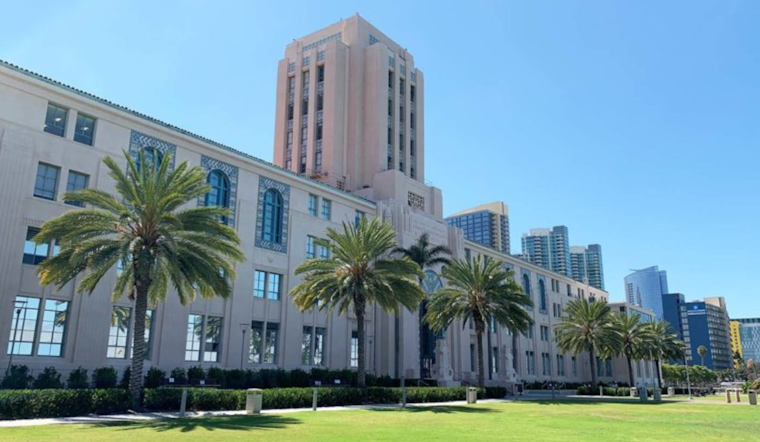
As of the first of January, San Diegans are witnessing a significant shift in behavioral health policy due to the implementation of State Senate Bill 43 (SB-43), with the County of San Diego's Behavioral Health Services at the helm of a year-long preparation for the act's rollout. This piece of legislation, which now sees its real-world application, aims to more inclusively define "grave disability" within the parameters for involuntary treatment. County News Center reports this is the most significant alteration to the state's civil detention and conservatorship laws in over half a century.
Prior law set limitations on civil detainment to situations where individuals posed a danger to themselves or others or were unable to secure basic needs such as food, shelter, or clothing due to a mental health condition. SB-43 has gone a step further to include those who cannot keep themselves safe or adequately access necessary medical care as a result of mental illness or substance use disorder. The County of San Diego had chosen to delay the implementation of SB-43 until 2025 to plan and train to efficiently execute the new policies comprehensively.
In the face of such substantive legal adjustments, the definitions and interventions related to grave disability are seeing an expansion. According to the information provided by the County News Center, assessments and crisis interventions, previously encapsulated within the 5150 hold—a 72-hour period of involuntary psychiatric detainment—may now be extended up to two 30-day periods. Furthermore, the pathway to conservatorship has been clarified and structured to provide ongoing treatment, subject to periodic judicial review.
The preparatory phase undertaken by San Diego's County Behavioral Health Services was multifaceted, including widespread training involving numerous stakeholders, from community members to legal advocates. Critical among these efforts was the alignment of local law enforcement agencies, all of whom have undergone SB-43-specific training. It's estimated that applying this law could lead to approximately 1,500 additional 72-hour detentions for involuntary treatment, although the exact number will hinge on actions taken by law enforcement and medical professionals.
Those subjected to a 5150 hold are transported to emergency departments or crisis stabilization units, receiving assessments and care tailored to their needs. Importantly, the legislation allows individuals to be released earlier than the maximum holding period if they either no longer meet the criteria for involuntary treatment or consent to voluntary care. The impact of SB-43 will continue to be closely monitored as it unfolds across the landscape of California's mental health system.



