

























































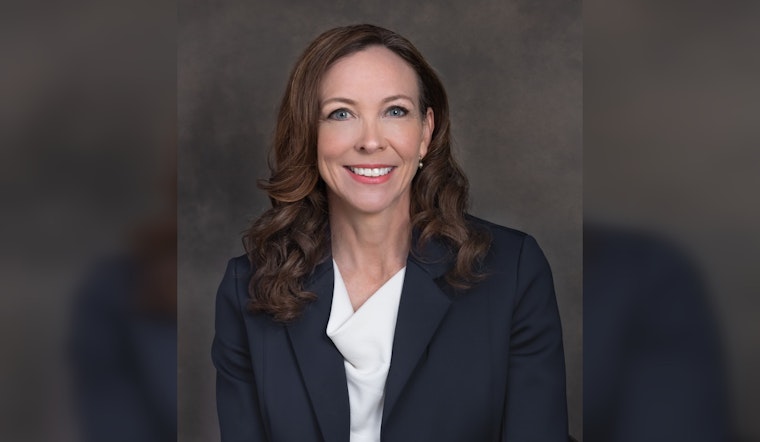
The push for a more efficient legal process in DUI cases has taken a decisive turn, as Seattle City Attorney Ann Davison endorses the new legislative bill HB 1228. Amid growing concerns over the snarled gears of justice, the bill aims to allow certified private laboratories to carry out blood sample testing in DUI incidents—a pivot from the current mandate which entrusts the task solely to the Washington State Toxicology Lab, as detailed in a recent announcement by City Attorney Davison.
Introduced by lawmakers David Hackney and Andrew Barkis, the bill surfaced last week to combat a profound backlog at the state lab, a crux that stalls proceedings and, introduced last week, threatens to weaken the arm of law enforcement over time. "This is a matter of public safety in Seattle and throughout the state because, right now, it takes more than 400 days to get the results of a tox test from the state lab," Davison stated.
States like Oregon, Colorado, New York, and New Jersey already turn to federally accredited private toxicology labs to navigate their caseloads—a strategy Davison argues should be adopted in Washington as well. In her call for reform, the City Attorney highlights a 50-percent rise in cases sent to the state lab since 2014, aligning with a staggering 96-percent increase in DUI-related fatalities in Washington during the same window. Emphasized by more than 1,000 DUI referrals from the Seattle Police Department to her office annually, Davison underscores the critical juncture at which the city stands.
Consequences of the existing delays breed complications where suspects may remain unsupervised and risk the same impaired driving offenses, while evidential integrity falters as witnesses become harder to lock down. In voicing the weight of these stakes, Davison told reporters, "The state backlog means we are just now receiving results for DUI arrests that occurred in the first half of 2023." With a two-year statute of limitations ticking, the race to prosecute DUI cases is on a collision course with bottlenecks limiting the reach of justice.
The call to action is clear in Davison's stance: pass HB 1228 and bolster the legal infrastructure against DUI offenses. Seattle, steered by Davison's advocacy, looks now to its legislators to shift gears and drive home a message of zero tolerance for those who imperil the roads. "Legislators must pass this bill to allow alternatives to process the blood samples so we, as a society, can better send the message that we take our road safety seriously and will hold accountable anyone putting all of us at risk because of impaired driving," she pressed. Seattle waits, watching the legislative horizon for signs of change, keen to turn over the keys to a system fit to navigate the road ahead.





