

























































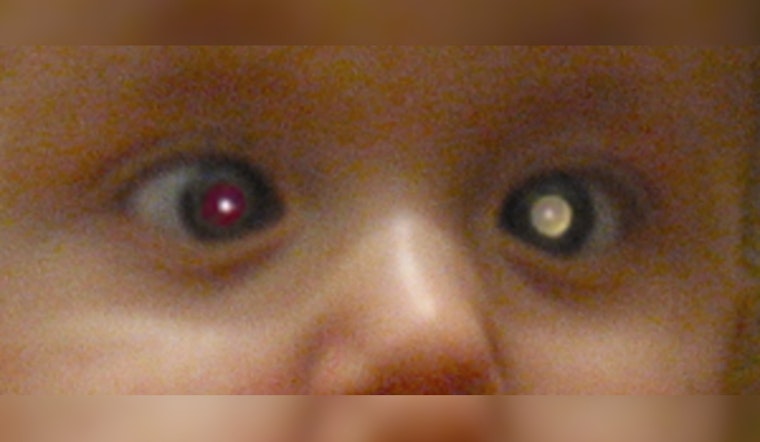
Turning the tides in pediatric cancer treatment, a team of Seattle-based doctors has honed a blood test that reveals the origin of the RB1 gene mutation, a key player in a rare eye cancer known as retinoblastoma. Originating from the parent's DNA, this mutation can have vastly different implications for how the disease progresses and responds to treatments. "Depending on which copy you have, that could reflect the cancer’s severity and its likely response to chemotherapy," Dr. Debarshi Mustafi, an assistant professor of ophthalmology at the University of Washington School of Medicine, explained to UW Medicine's newsroom.
The novel genetic test, a fruitful collaboration between Mustafi and fellow researcher Dr. Andrew Stacey, provides rapid diagnostics even in de novo cases where the mutation occurs spontaneously – accounting for the majority of this cancer's instances. Their work, published in JCI Insight on Dec. 26, underscores the clinical relevance of parental origins in treatment outcomes: while maternal mutations often lead to better prognosis and eye preservation, paternal mutations pose increased risks for a more drastic intervention, "Our preliminary data also shows that a secondary cancer such as sarcoma is more likely with the paternal mutation," Mustafi highlighted. Although rare, retinoblastoma strikes about 200 to 300 kids annually in the U.S., and the test could revolutionize both early interventions and long-term monitoring.
The test uses gene-sequencing to detect not only the RB1 mutation but also specific DNA modifications that hint at the mutation's parentage without directly testing the parents themselves. "So, when we put the mutation together with the modification signal, we were able to tell from the child’s blood whether they got the mother’s or the father’s chromosomal copy," Mustafi told UW Medicine's newsroom. This discovery resulted from a serendipitous conversation in 2023 and has since evolved to offer answers within a day, dramatically cutting down the typical months-long wait for diagnosis.
This breakthrough owes its existence to tireless research at the frontlines of pediatric care, validated by blood samples of 16 children at Seattle Children’s Hospital. The capacity to pinpoint parent-of-origin carries substantial weight, explained the researchers, as it implicates "more advanced cancer staging at presentation and significantly greater risk of chemotherapy failure," when arising from the paternal allele. Looking forward, the test's predictive power will be evaluated in larger trials in collaboration with heavyweight institutions like St. Jude's Research Hospital and MD Anderson.
Far-reaching in scope, these insights and the gene-sequencing test itself hold promise for other genetic disorders that are influenced by parental genes. With funding from the National Eye Institute and the Gerber Foundation, bridging the gap between genetic anomalies and effective treatments is closer than ever before. As this tool enters more prevalent use, it is poised to tailor personalized care for ailing children and arm clinicians with knowledge indispensable for complex medical decisions.





