

























































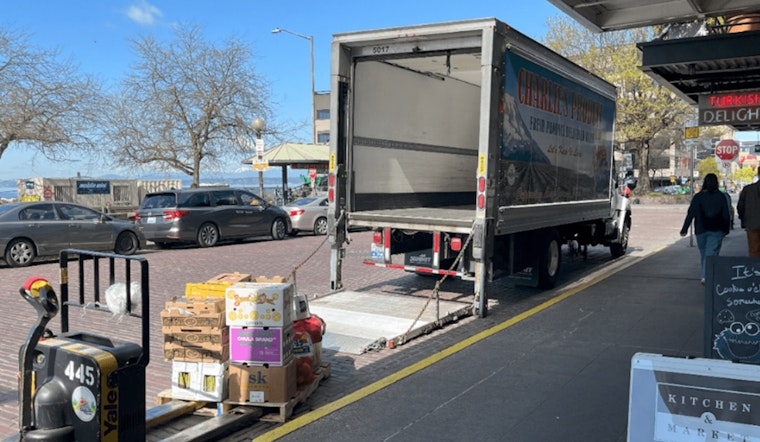
In Seattle, the battle for curb space is real, and the city is not standing idly by. The Seattle Department of Transportation (SDOT) has been on the move, deploying some tech-heavy artillery to ensure deliveries in bustling neighborhoods like Belltown and Denny Triangle don't turn into a logistical nightmare. With a fresh $2 million grant from the U.S. Department of Transportation in 2023 and a more recent windfall of $14.8 million, Seattle's curb management is getting the Silicon Valley treatment. For more on this development, you can check out SDOT's blog post from January 22.
So what's cooking with this injection of cash? SDOT is not just looking to slap down a few signs and call it a day. They've set out to thoroughly revolutionize how commercial vehicle load zones (CVLZs) operate. As of fall 2024, the city proudly boasts 25 'smart' CVLZs, complete with sensors eager to spill the tea on how long vehicles plant themselves at these spots, and exactly what kind of wheels are hogging the space. The goal? To proactively cut down on delivery trucks having to play musical chairs with non-authorized users who, to be blunt, shouldn’t even be there to begin with. A report by SDOT highlighted that nearly 80% of parking in these zones was by drivers who didn't have their paperwork in order, or whose vehicles didn't meet the commercial cut.
The data isn’t just for show. SDOT is talking to the folks on the ground through a survey that's gathering intel until January 31. They're keen on getting insights from those who navigate Seattle's urban jungle in their delivery vehicles every day. The purpose is clear: they aim to fine-tune their program so that it genuinely helps the people it's supposed to. It's about getting goods where they need to go without the unnecessary game of parking lot Tetris.
The driving force behind this leap into the future of urban planning isn't just to keep fleet managers happy. SDOT is acutely aware of the broader impact. Shaving off the time delivery drivers spend circling the block, or worse, creating chaos by double-parking, means less congestion for everyone. Seattle isn't just looking to nudge delivery trucks into their designated spots; it's about keeping all forms of traffic flowing smoothly. In streets where illegally parked vehicles could block a bike lane or disrupt a bus route, the new smart CVLZs are a smarter approach. To dive into the specifics, the SDOT blog lays out their data-driven strategy in greater detail.
What Seattle has embarked on could set a benchmark for metropolitan areas grappling with similar challenges. They're showing that with the right investment in technology and a willingness to listen to the data (and the people behind the wheel), a city can begin to effectively address the curb conundrum that plagues many an urban landscape. It's a balancing act of technology and human insight, one that Seattle seems determined to master.





