

























































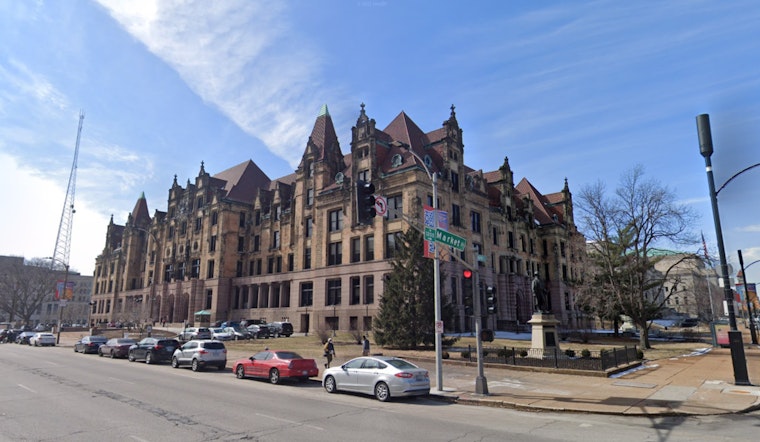
The Board of Aldermen's Housing, Urban Development and Zoning Committee in St. Louis gears up for a new round of public hearings discussing the ambitious TRANSFORM STL Act. The act, which represents a significant investment in the city's infrastructure and various community support programs, is set to go under the microscope starting today, at 11:00 a.m. An additional session dedicated solely to public comment is slated for the following evening, tomorrow, at 5:00 p.m., providing a platform for residents to have their say.
Alderwoman Alisha Sonnier, who is championing the Board Bill 153, emphasized the importance of public input in an era where the rhythms of daily life often leave little room for civic engagement. "We acknowledge that not every resident can make their voice heard in the middle of a work day. The discussion of these funds is critical, and it's important to me that there is a dedicated, accessible hearing where we can hear from as many community members as possible," Sonnier told the official City of St. Louis website.
The proposal's cornerstone is the yearlong process that involved city officials delving into what the residents really want their tax dollars to focus on. The outreach unveiled three top community priorities: modernized infrastructure, development initiatives and personal growth through educational and work opportunities. The proposed allocation of funds, hinted at a multilayered approach to citywide improvements, including $40 million for water system upgrades, $60 million earmarked for street and mobility enhancements, and a robust $70 million dedicated to affordable housing and related needs.
Investments will also fan out to support sectors such as childcare and postsecondary education, with $57 million allocated to these vital areas. For local businesses and non-profits, a $30 million financial push is in the cards, The budgets for each sector come with oversight to ensure that the dollars serve their intended purpose. Board of Aldermen President Megan E. Green echoed the sentiment for increased civic participation, stating, "We want to build on the participation we’ve seen throughout the public engagement process around this issue," as published on the City of St. Louis's official site.
Details on the forthcoming meetings, which hold potential implications for the future of St. Louis’s urban landscape and community dynamics, are available on the Aldermanic Calendar. Civic-minded residents and stakeholders are encouraged to attend these sessions, as the outcomes of the TRANSFORM STL Act will chart the course for St. Louis's transformation in the upcoming years.





