

























































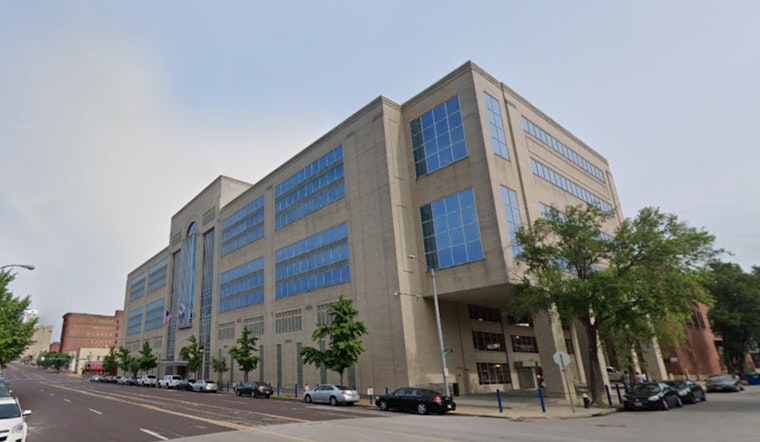
In a recent move to better compensate its law enforcement officers, the St. Louis Metropolitan Police Department, paired with the City of St. Louis Department of Personnel, the Mayor’s Office, and the St. Louis Police Officers’ Association, has struck a deal. The agreement ushers in a 7% salary increase for police officers and sergeants, a decision backed by the St. Louis Police Officers’ Association membership's vote. As reported by the St. Louis Metropolitan Police Department, the adjustment also modifies the years of service matrix, diminishing it from a potential 30 years to just 20 years, an effort to incentivize retention and attraction of police staff.
Supporting details confirm that officers' post-Academy starting pay will elevate from $53,196 to $56,920. In conjunction with the pay raise, the number of commissioned personnel is set to reduce from 1,224 officers to 1,100 officers, a deliberate strategy that, according to SLMPD Chief Robert Tracy "is a strategic move by everyone at the table while ensuring public safety is the top priority." Mayor Tishaura O. Jones expressed optimism regarding the raise, "With this new pay raise in place, we will continue to work to recruit and retain officers to the force," she affirmed in a statement obtained by the St. Louis Metropolitan Police Department.
The changes arrive amid ongoing efforts to ensure the St. Louis Metropolitan Police Department remains competitive within the region as an employer. Both the Department of Personnel and St. Louis Metropolitan Police Department Administration, along with the Mayor’s Office are slated for impending meetings on further augmenting the department's standing in the regional landscape. This agreement sets the St. Louis Metropolitan Police Department on a more promising trajectory for officer retention and recruitment.
Before the agreement comes into full effect, it requires further approvals, though the first hurdle has been cleared. The Civil Service Commission will weigh in first, followed by the Board of Alderman, and the Board of Estimate and Apportionment. These upcoming steps are procedural, but bear the weight of expectation from a city and its officers, eager to see this new promising chapter begin.





