

























































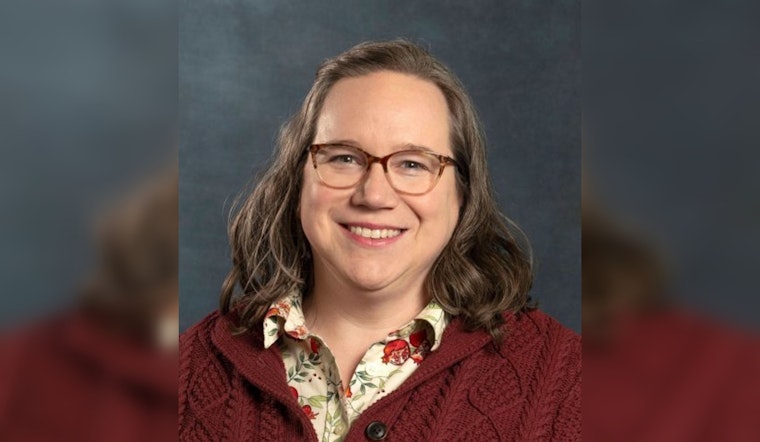
In a bid to understand how urban green spaces can support bee populations and contribute to food sustainability, cognitive ecologist Aimee Dunlap from the University of Missouri–St. Louis is spearheading a pivotal research project. Partnering with The Green House Venture, Dunlap is comparing the behavioral patterns of urban bees with their rural counterparts, as reported by UMSL Daily. Her study focuses on the bees at the Embankment Greenway, which flanks Interstate 44 in St. Louis – a site specifically developed over several years for supporting around 50 bee species.
"This study will help determine if busy urban roadsides with green spaces can be repurposed into thriving bee habitats and sustainable parts of the nation’s food production system," Dunlap remarked to UMSL Daily. The initiative involves a team of scientists and graduate students from UMSL's Dunlap Cognitive Ecology Laboratory and the Whitney R. Harris World Ecology Center. They will meticulously monitor various bee species as they forage, pollinate, and influence the distribution of pollen amongst local plants. Furthermore, the team intends to create a pollen library from collected samples to advance research efforts.
The Green House Venture, known for its focus on hands-on STEM education geared towards elementary students, is facilitating this collaboration, integrating the study of bees and urban agriculture into its larger educational mission. As part of this engagement, students from four nearby elementary schools will be brought into the fold of this research, observing bee behavior and learning the role of bees in urban food systems.
"We will use digital cameras with GoPro technology in the field and microscopes in school laboratories to help students understand the important behaviors and resulting impacts of the bees that we are studying," Dunlap explained. The educational component will also include searching for underground bee nests alongside the students to educate them on the life cycles and habits of essential bee populations. Tom Purcell, president of The Green House Venture, voiced his enthusiasm about the collaboration and its potential to foster a new generation of plant scientists committed to sustainable food production in St. Louis. "This study will have a dramatic impact on helping us achieve our mission," he affirmed to UMSL Daily.





