

























































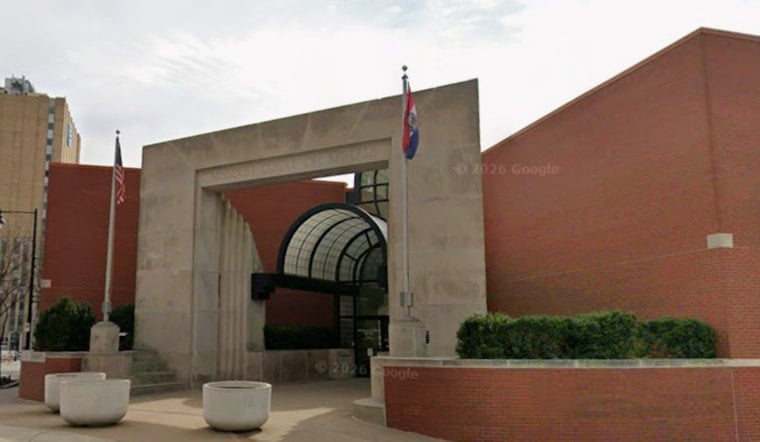
A Missouri appeals court has ordered that a St. Peters man convicted in municipal court over his front-yard sunflowers must be allowed to demand a jury if he follows through with a trial de novo. The three-judge panel's decision could open the door for thousands of people in small, third- and fourth-class Missouri cities to seek juries in circuit-court do-overs of municipal convictions. What started as a spat over roughly 600 sunflowers is now reworking the path that routine ordinance cases take through the courts.
Appeals Court Says Circuit Judge Overreached
The Missouri Court of Appeals issued a permanent writ of prohibition and held that the circuit court did not have authority to deny the jury request at a trial de novo, according to the court's opinion posted by Justia. The panel explained that a trial de novo proceeds "as if no action had been taken" in municipal court, and under the criminal procedure rules a jury is required unless the defendant waives that right. The court dispensed with further briefing and made its preliminary writ permanent.
The Sunflower Dispute That Sparked the Case
In 2021, Chris Bank was cited after planting about 600 sunflowers in orderly rows across his front lawn. The city said the planting broke a code that required most of a front yard to be turf grass, and a municipal judge eventually found him guilty and imposed a $168.50 fine, according to St. Louis Magazine. The fight escalated after the city revised its ordinance to classify the sunflowers as a crop, and a series of twists, including a neighbor cutting down some of the flowers, kept the dispute alive. Bank sought a trial de novo in circuit court and timely asked for a jury, but the circuit judge turned down that request before the appeal.
Why The Ruling Matters Beyond One Garden
The appeals panel relied on precedent and Missouri procedural rules to reject the city's position that calling the matter a "petty offense" or removing any threat of jail time eliminated the right to a jury at a de novo trial, as laid out in the opinion posted by Justia. The court concluded that the statute the city cited applies to the initial municipal-court proceedings only. Once a case is docketed in circuit court for a do-over, the rules governing misdemeanor trials, including jury demands, control. The panel held that the circuit court exceeded its authority when it denied Bank's timely jury request.
Who Stands To Benefit
The decision directly affects appeals from third- and fourth-class cities, the smaller municipalities scattered across Missouri, and could give defendants in those jurisdictions more leverage, according to St. Louis Magazine. Bank's attorney, Bevis Schock, praised the ruling, saying, "Now the game has changed, the balance of power has shifted," and added that he expects Bank's new jury trial to take place around the end of this year. Defense lawyers say the ruling may mean fewer automatic bench trials and more jury scrutiny of low-level ordinance cases.
What Happens Next
The writ takes effect immediately and sends the case back to St. Charles County circuit court so that the jury demand can be allowed and the matter can move forward, as reported by First Alert 4. Municipal prosecutors and city attorneys in smaller Missouri communities will likely need to adjust how they handle ordinance prosecutions and plea negotiations now that juries may be more widely available on appeal.





