

























































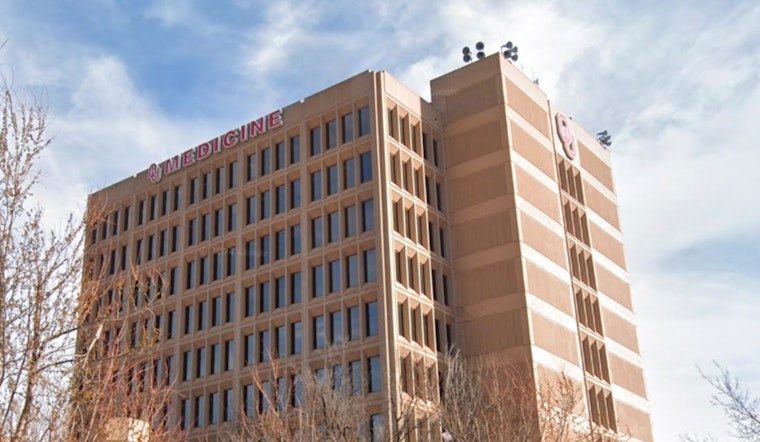
Ongoing research at the University of Oklahoma may lead to better treatments for dementia, including Alzheimer's disease. Alzheimer's affects around 76,000 Oklahomans, with cases increasing by 13% in the last five years. Dr. Sreemathi Logan, an assistant professor in the Department of Biochemistry and Physiology at the OU College of Medicine, leads the study, which is funded by a $2.2 million grant from the National Institute on Aging. Logan's research takes a different approach from the common antibody method that targets harmful brain proteins, which she believes is ineffective once neurons are lost. "Once you’ve lost neurons to disease progression, you can’t get them back," Logan told OU News.
Logan's team is investigating the link between aging and cognitive decline by testing older mice in a nocturnal learning experiment. They have found that not all older mice experience cognitive decline, similar to humans, and aim to understand the cognitive pathways of both "intact" and "impaired" mice. Their goal is to identify these pathways to develop treatments that could improve cognitive function. Logan's research also focuses on astrogliosis, an increase in brain astrocytes that is linked to cognitive impairment, as mentioned in an OU News report.
Astrocytes, which are important for neuron health, are central to the research, particularly their mitochondrial function. Logan's team is studying how changes in astrocyte metabolism affect neuron communication and cognition. Their goal is to identify age-related cellular markers that could be targeted by new therapies, including small molecule inhibitors or activators, to support brain function.
Logan's research is also supported by other organizations, including the Hevolution Foundation, which is focused on understanding how metabolic factors affect aging and cognition. The team is working to identify specific protein targets in astrocyte metabolic pathways that could improve cognitive function in the elderly. "If we can identify the metabolic pathways within astrocytes of people with cognitive dysfunction, we could also identify specific protein targets that are affecting cognition in older brains. Doing that would be a game changer," Logan said in the same report.
In Oklahoma, nearly 11% of seniors suffer from Alzheimer's, which is higher than the national average, and results in $3 billion worth of unpaid care by over 108,000 family caregivers. As the study progresses, Logan and her team aim to change how age-related cognitive impairments are understood and treated.





