

























































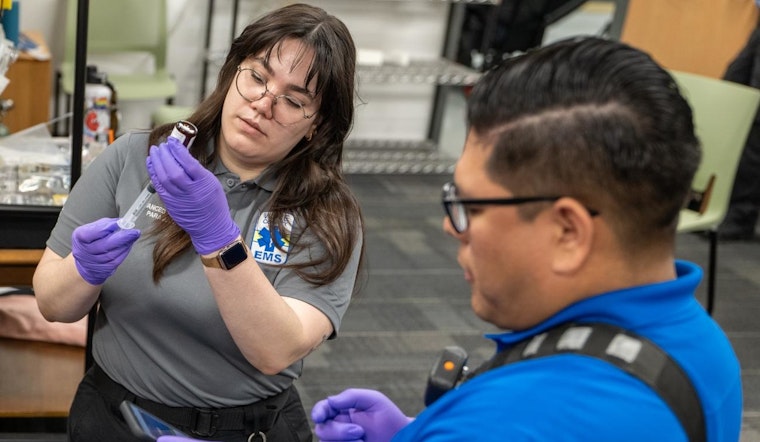
The opioid epidemic continues to ravage communities across the United States, but Wake County EMS is making strides with an innovative approach to prehospital treatment. Their new Medication for Opioid Use Disorder (MOUD) program is extending a lifeline to those grappling with addiction, right from the back of an ambulance. By equipping Advanced Practice Paramedics with buprenorphine, a drug that can not only prevent overdoses but also alleviate withdrawal symptoms for approximately 18–24 hours, the program is redefining the front lines in the battle against opioid use disorder.
When paramedics respond to a call that appears related to opioid use, they conduct a screening to see if the individual is a good candidate for buprenorphine. According to a statement obtained by Wake County's news release, if eligible, they can administer the drug immediately. "I’m very excited that we are able to offer buprenorphine to patients wherever they are," Dr. Andrew Godfrey, associate medical director of Wake County EMS, explained the significance of being able to provide such immediate and judgment-free care.
The results from the initial year-long review period of the MOUD program, spanning from July 5, 2023, to July 4, 2024, showed promising outcomes. The program saw buprenorphine induction in 92.4% of screened encounters, with nearly half of these patients securing a successful follow-up with an outpatient provider. Moreover, 11.4% remained in treatment after a year which speaks, to the potential long-term benefits of this early intervention strategy.
Partnering with the local non-profit SouthLight, Wake County EMS ensures that the care journey doesn't end with the prehospital treatment. SouthLight's patient-centered approach goes beyond the physical aspects of opioid use disorder, providing holistic care that addresses mental well-being too. Between outpatient services, community-based care, flexible hours, and walk-in appointments, they are breaking down barriers to recovery one patient at a time.
Moving forward, Wake County EMS is committed to expanding the program. They aim to increase patient screenings and continually refine the treatment process. This path forward underlines the county's dedication to innovation in tackling a crisis that has taken too many lives and devastated countless families.
For more insight into the MOUD program's methodology and findings, the public can refer to the study published in Prehospital Emergency Care and indexed on PubMed.





