

























































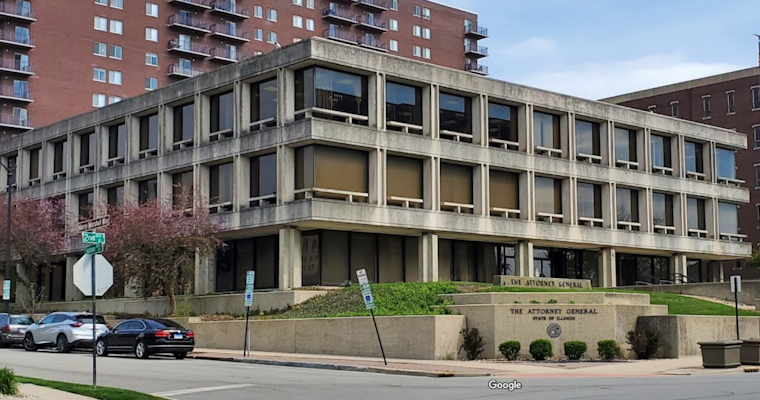
In a substantial pushback against the Trump administration's recent effort to slash funding for medical and public health research, a block of attorneys general from 22 states have stepped forward to protect the financial lifeline that fuels innovation at educational institutions nationwide. The lawsuit, led by Attorney General Kwame Raoul and others, targets the unwelcome cuts to "indirect cost" reimbursements that support various expenses tied to biomedical research. This financial blow could hamstring universities engaged in critical studies and new treatment development.
The joint effort brings together a politically diverse coalition, with attorney generals hailing from states like California, Arizona, Connecticut, and Maryland, raising their voices concerning what they describe as not only an unlawful move but one that could severely undermine public health and economic growth. "The Trump administration’s attempt to cut research funding at thousands of research institutions across the country is not only unlawful; it undermines public health, our economy and our competitiveness," stated the attorneys general. They argue the funding in question encompasses more than just the tangible aspects of research; it's also about investing in future innovators currently being trained at these very universities.
Direct and indirect consequences of these funding cuts spread wider than the laboratories' walls; the lawsuits underscore that such reductions could threaten ongoing and future research into life-altering diseases such as ALS, Parkinson's, various cancers, heart disease, and PTSD. According to official statements, they would "force many universities to redirect funds and ultimately reduce research activities." A sense of urgency shrouds this legal fight as these cuts are seen as direct threats not just to scientific progress, but to the well-being of current and future generations.
Mere hours after the lawsuit was filed against the Department of Health and Human Services and the NIH, swift legal intervention came in the form of a temporary restraining order (TRO), which barred the government agency from slashing these critical funds. The attorneys general remain steadfast in their commitment to this cause, poised for the courtroom battle ahead. "We are fighting for our loved ones, our friends and our neighbors, and we will not allow President Trump to play politics with our public health," articulated the joint statement, signifying a readiness to confront what they see as a reckless abuse of presidential power. Today, they urge the continuation of the temporary block on funding reductions, amid the fervent hope for a long-term solution that keeps research robust and uninterrupted.





