

























































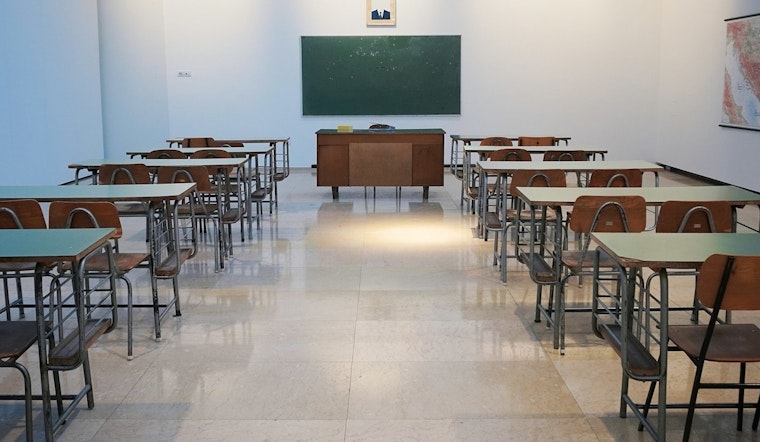
In a dire call to arms against the increasing tide of student absenteeism, State Superintendent of Public Instruction Tom Horne is pushing for hard-line policies to rein in what he describes as a catastrophe for Arizona's education system. Horne suggests that schools take a tougher stance with rules that would see students fail their courses after nine unexcused absences and count every five tardies as another absence. "The idea that a third of our students are missing 18 days of school or more is a real catastrophe and an emergency for our state," Horne stated.
Struggling to grapple with the logistical nightmare of enforcing attendance, Horne is urging local schools to rapidly adopt these stringent policies. The approach is aimed to immediately begin to curb the problem that's been largely unchecked since the pandemic's onset. In a statement obtained by AZEdNews, Horne said, "We need radical efforts to solve this problem. We have to create a motivation for parents to be sure their children go to school. Parents don’t want their kids to fail courses or to miss out on graduating on time, and if schools would adopt those kinds of polices, we would see the parents motivated and a radical drop in absenteeism."
The latest figures from the Helios Foundation, presented at the State Board of Education meeting, are alarming, with chronic absenteeism reaching approximately 30 percent across nearly all grade levels for the 2022-23 school year—a stark rise from the pre-pandemic levels of about nine percent. These numbers have sparked significant concern, as they threaten not only academic proficiency but also the overall functionality of Arizona's educational institutions.
Horne emphasizes that the primary focus is on improving academic results, which is next to impossible if students are not present. "You can't do that for kids who don't show up in school; you can't teach a student who is not there," he articulated. The definition of chronic absence in Arizona casts a wide net, labeling students who miss 10 percent or more of the school year for any reason as chronically absent. In context, that equates to 18 days missed out of a typical 180-day school year, assuming the student remains at the same school.
For those wanting to dive deeper into the Helios Foundation's findings on student absenteeism, a full copy of the report is accessible on their website. Anyone interested in the nuances of the current crisis can find it by following this link: AZEdNews Report on Student Absenteeism.


