

























































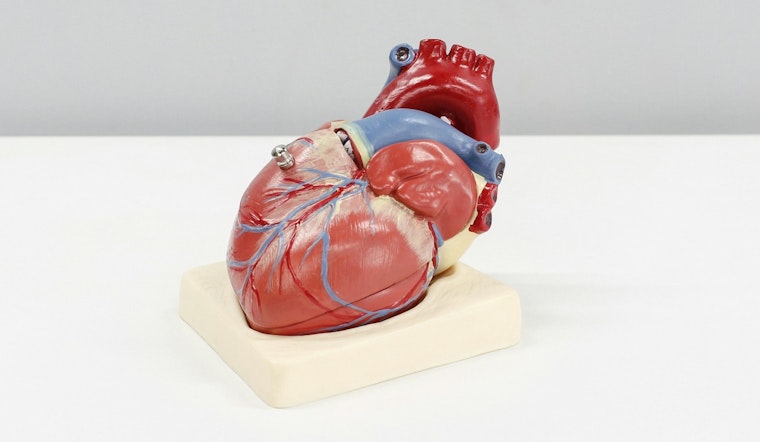
On this Valentine's Day, hearts are in the spotlight not just for reasons of romance; Austin-Travis County EMS and Austin Public Health (APH) have teamed up to highlight something far less sweet, but crucially important: heart disease. In a bid to educate the public on the perils of this silent killer, which continues to dominate as a leading cause of death, the authorities held a press conference urging the community to recognize the signs of heart attacks and embrace preventive health measures.
Mark Escott, Chief Medical Officer for the city of Austin, shared a deeply personal encounter with heart disease during the press conference; "My father had his first heart attack when he was 40, and survived, my mother had her first heart attack at 48 and did not survive," he said CBS Austin reported. The focus on early detection and lifestyle modification was echoed by APH Medical Director Demar Walkes, who emphasized the power of diet, "Fortunately, we have several actions we can take to reduce our risk and live healthier lifestyles, what you eat, and drink can have a direct impact on your health," he remarked.
In related news, addressing healthcare in Austin extends beyond the clinic walls, as Central Health and Austin-Travis County Emergency Medical Services (ATCEMS) have joined forces to offer a new 'bridge' care model for those experiencing homelessness, aiming to provide right-sized healthcare interventions that sidestep costly emergency room visits or the criminal justice system. KXAN reports, the innovative program includes a mobile clinic, "Bridge Mobile," that extends these services directly to shelters and street locations, addressing medical needs as varied as psychiatric care to basic allergy treatments.
The fruit of these labors is already apparent, as Dr. Feba Thomas, clinical lead for the bridge initiative, reports significant engagement with the program at the city's 8th Street shelter "We’ve heard repeatedly that our patients would not have accessed care if we were not there. We have had the privilege of caring for medical needs in a trauma-informed way with wraparound services and also address non-medical drivers of health when we are able to do so," Thomas explained. The reach of the program is expanding quickly, said Dr. Tim Mercer co-director of high-risk populations at Central Health, noting partnerships underway with Integral Care's diversion center and other community groups like Foundation Communities and Texas Harm Reduction Alliance.





