

























































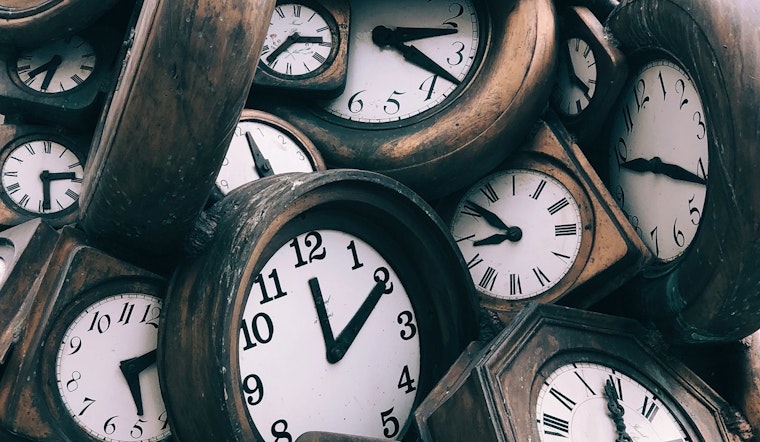
Time is about to do its semiannual dance, and that means come Sunday, March 9, we're all going to lose an hour of sleep thanks to daylight saving time. According to Dr. Wajahat Khalil, a sleep expert from the University of Minnesota Medical School, this isn't just about missing 60 minutes of glorious z's; it's a jolt to our internal clocks that can set off ripples of health effects across the board.
"Our internal clocks are approximately 24 hours long, usually ticking at 24.2 to 24.4 hours," Khalil explained, underscoring the importance of syncing with our environment daily—and sunbeams, they're the VIP in this synchronization show. With DST about to rudely snatch that extra hour of sleep right from under our noses, and more importantly, dimming our morning sunlight dosage, the risks are non-trivial. Khalil points out research linking these seasonal time shuffles to "increased frequency of motor vehicle accidents and hospital admissions." To potentially soften the blow, he advises to gradually go to sleep 15 to 20 minutes earlier for a few nights before the switch and to not forget to soak up at least a good 10 minutes of morning sun.
Moving clocks forward messes more with our heads than most of us realize. It's not just about feeling groggy for a day; Khalil warns that irregular sleep can lead to long-term consequences to our health and well-being, including spiking risks for cardiovascular and metabolic disorders. So yeah, this isn't just a minor inconvenience—it's a health alert. To mitigate the impact, Khalil recommends maintaining a consistent sleep and wake schedule with at least 7 hours of sleep per night, and to also adjust your eating, exercise, and social activities, because these act as critical "time cues" for our bodies.
It's not all doom and gloom, though. Adjusting our routines can help us better navigate the change. So, start tweaking your habits now, folks. Remember, daylight saving time isn't just a matter of digital clock displays—it's about realigning your biological clock to minimize the disruption of your daily flow. While we may not all be morning people, catching those first rays can do wonders to get our systems back on track post-time-change. And in case you need more info, or just a reminder that we're leaping forward soon, Dr. Khalil's insights are just a click away on the University of Minnesota's website.





