

























































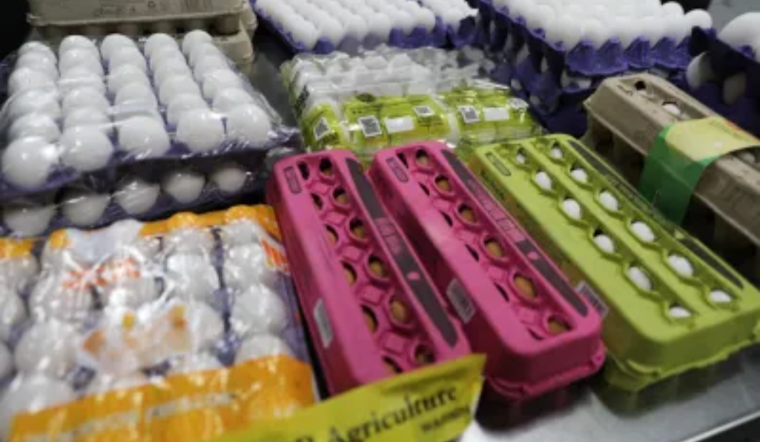
Border protection officials are putting out a fresh reminder for anyone crossing into the U.S. from Mexico: leave the raw eggs behind or face potential fines. The U.S. Customs and Border Protection (CBP) has seen a 158% increase in seizures of these prohibited items since last fiscal year, particularly in the San Diego area. The agency is highlighting the importance of this regulation to prevent the spread of diseases that can wreak havoc on the nation's agriculture.
According to a statement from the CBP, unreported agricultural commodities are a no-no, with penalties that could hit your wallet as hard as $10,000. This strict stance comes at a time when the U.S is grappling with the worst bird flu outbreak on record. The impact is already evident with skyrocketing poultry and egg prices. Travelers are incentivized to declare all agricultural products in their possession to an a CBP officer or risk substantial fines.
With the shadow of avian influenza looming large, authorities are intent on keeping the U.S. poultry sector safe from additional threats. Sidney Aki, the CBP Director of Field Operations in San Diego, underscored the urgency in a statement: "It is critical that we keep our traveling public informed to safeguard our agricultural industry while continuing to facilitate legitimate trade and travel." In line with these protections, travelers are strictly barred from bringing in fresh eggs, raw chicken, or live birds from Mexico into the United States.
For those unsure about what they can or cannot bring in from Mexico, the "Bringing Agricultural Products Into the United States" section on the CBP website offers clear guidance. It's worth noting that there is a difference between what's allowed for personal consumption versus what's destined for commercial use. Personal food items are permissible through passenger ports of entry, but if you're importing for resale or distribution, you'll have to go through the proper channels at a cargo facility.




