

























































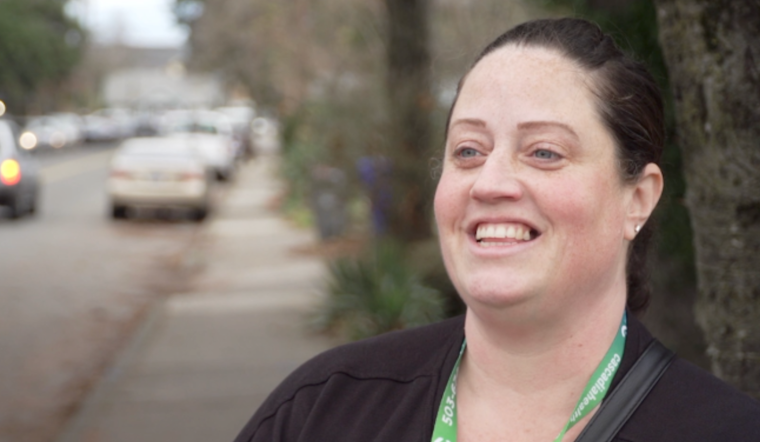
In a testament to the power of one-on-one human connection, street outreach workers like Adele Atwood of Cascadia Health have tirelessly forged relationships with Portland's homeless population, meeting them where they dwell. Atwood, a seasoned veteran whose own past battles with homelessness and mental health issues lend her a unique empathy, understands that a friendly conversation or a shared meal might be the first step toward a life off the streets. She strives to build trust with each individual, offering tangible support, such as blankets or bananas, and fundamental care through resources and guidance.
Engaging clients in their element, whether in tents, cars, or the pavement, Atwood's role bypasses traditional organizational outreach, effectively eliminating the barrier to essential services that many experiencing homelessness face. She crafts a tailor-made approach to each situation, recognizing that survival often overshadows the ability to navigate shelter and housing.
A recent article by Multnomah County highlights these efforts, delving into how Cascadia Health, alongside more than a dozen providers funded by Multnomah County, is making strides in helping individuals secure the necessary documentation, healthcare appointments, and public benefits that pave the road to stability. Atwood states, “It’s scary not to know where you’re going to sleep. But your mind becomes so busy trying to find food and shelter that you can’t even think about, ‘How do I start getting on my feet again?’”
These services, however, are not fleeting encounters. After placing clients in temporary shelters or housing, outreach workers like Atwood continue supporting those they've assisted, ensuring that the transition to a more stable lifestyle is sustained. They help clients build skills to maintain their new homes in the long term. During a season marked by giving, Atwood brings food boxes and children’s toys to those recently moved indoors, reinforcing that their well-being remains a priority.




