

























































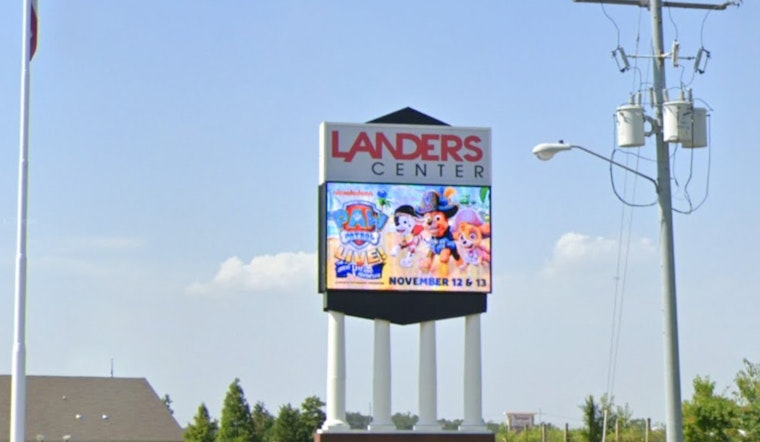
Todd Mastry, the former executive director of the Landers Center in Southaven, Mississippi, has filed a lawsuit alleging he was terminated for booking Black artists, a decision reportedly influenced by racial discrimination. Mastry took legal action after being released from his contract last month by the Board of the DeSoto County Convention and Visitors Bureau, amidst major renovations to the Landers Center, including an $85 million expansion.
According to Action News 5, the issue first surfaced in 2014 after Mastry booked rapper Lil Wayne for a 2016 performance, which prompted concerns from some supervisors over community response. He now asserts that his dismissal is linked to racial discrimination by the board, which he argues would constitute a violation of the Civil Rights Act and artists' First Amendment rights to expressly not discriminate against artists based on race.
Additional details provided by FOX13 Memphis reveal the lawsuit filed in U.S. District Court claims that DeSoto County Board of Supervisors members specifically requested Mastry to avoid booking Black artists, allegedly referring to the performers and their audiences with the phrase "those people." Mastry's resistance to these demands, citing federal law against discriminatory practices, is said to be central to his firing.
Further insight from Local Memphis includes statements from Mastry's attorney, Arthur Horne, who summarized the situation: "He was basically fired for not violating the law after his boss, or bosses on the board, told him to violate the law by not contracting Black artists." The lawsuit leverages allegations that the board exhibited a clear bias against artists' racial profiles and the preferred demographics of their audiences.
The outcome of the lawsuit could potentially shake up the local entertainment scene and shed further light on the ongoing struggle against racial discrimination in the industry. Echoing the concerns of Southaven residents, the case may also reflect broader issues within our society, where such prejudices, although less overt than in the past, continue to persist and sow division. With Mastry seeking not just compensation for his lost salary and benefits but also damages for emotional distress and embarrassment, this lawsuit invites close scrutiny on whether other venues will follow suit or courageously chart a new path toward inclusiveness.




