

























































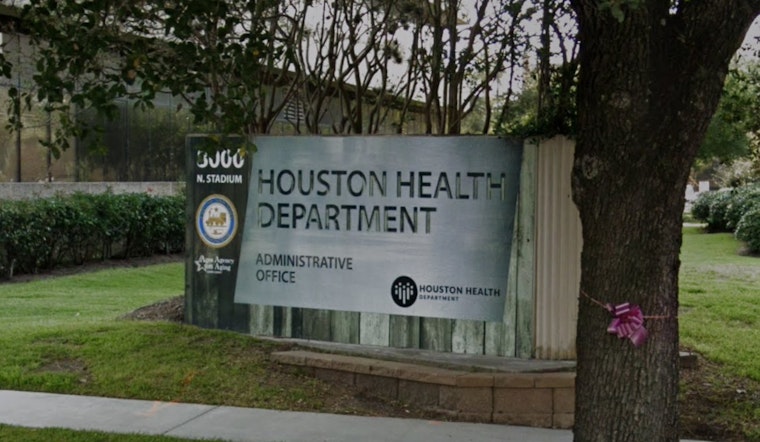
The Houston Health Department is gearing up to combat climate and energy resilience issues in the Fifth Ward with a little bit of greenery and a staunch stance on garbage. In an effort that feels like it’s long overdue, the HHD is taking a $20 million grant from the Environmental Protection Agency and turning it into real action. The Trees and Trash 2025 Kick-Off, scheduled for tomorrow at Brewster Park, marks the official launch of an initiative aimed at both enhancing the beauty and strengthening the resilience of one of Houston’s historic neighborhoods.
Starting bright and early at 10:30 a.m., notable figures, including Mayor John Whitmire, HHD Director Stephan Williams, and City Council Member Tarsha Jackson, are slated to speak at the press conference. Their goal is to significantly plant approximately 400 Super Trees in the coming days. Moreover, the initiative ambitiously aims to ultimately plant up to 10,000 of these trees in Fifth Ward by 2027, all while trying to tackle illegal dumping in the area.
These aren't your average trees; we're talking about fifteen different species of native Houston flora. According to a City of Houston press release, the trees are expected to provide benefits such as cooling shade, water absorption through their roots, and pollutant capture via their leaves. In an intriguing environmental twist, the project also plans to deploy mycorrhiza (a type of plant-growth fungi) in conjunction with the Super Trees to help break down or store contaminants from the nearby Union Pacific Railroad site, which has a notorious history of pollution.
The $20 million Community Change grant from the EPA is seen as a cumulative effort building on previous grants. Interestingly, previous awards in 2023 focused on solar workforce development and advocacy against pollution. A $1 million grant is already in action to help establish a free solar workforce development program, which includes training for solar installation, aimed at benefiting community members directly. The commitment is to involve residents in addressing the environmental justice challenges they've been facing for decades due to the contamination from the Union Pacific Railroad site.
Another slice of grant funding to the tune of $500,000 is dedicated to creating opportunities for local paid internships in solar deployment. The goal is to provide residents with experience that will help them secure job placements within their own neighborhood. The initiatives don't stop there; they also look to make the most out of solar energy by establishing a local solar hub, strengthening the community's emergency weather preparedness, and campaigning against illegal dumping.
The crescendo of the project is the creation of a community solar farm, a symbol of clean energy resilience that not only is expected to power the area through disasters but also to slash electricity costs for residents through rebate programs. The impact of this is two-fold: residents are not just getting a break on utility bills but also hands-on experience and long-term career opportunities in clean green energy sectors.


