

























































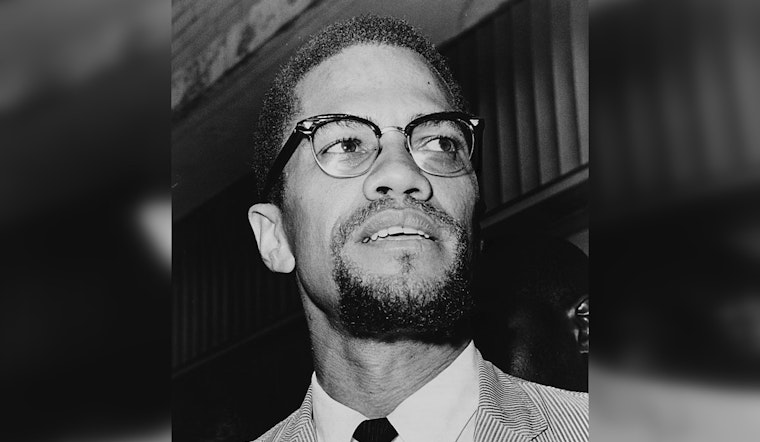
As the 60th anniversary of Malcolm X's assassination reverberates through the nation, his family continues their quest for answers and justice. Last November, in an effort to reveal the truth behind the civil rights leader's death, the Malcolm X family filed a lawsuit against the NYPD, FBI, and CIA, as reported by CBS News New York. Their complaint suggests a chilling possibility of government complicity: "Despite knowing the gravity of the threats, the FBI failed to protect Malcolm X, instead actively compromising his safety by arresting his security team days before his assassination."
Malcolm X's piercing absence lingers still, and his family is not alone in feeling the weight, for the civil rights activist’s legacy endures as a symbol of strength against racial injustice. Ilyasah Shabazz, Malcolm X's daughter, in an intimate recollection provided by USA TODAY, spoke of her mother's resilience in transforming a place of tragedy into one of triumph through the establishment of the Malcolm X and Dr. Betty Shabazz Memorial and Educational Center, a place where leaders akin to her father's spirit, such as U.S. Rep. Jasmine Crockett and activist Linda Sarsour, are honored. Shabazz emphasizes the urgency of uncovering the truth behind her father's death and correcting historical inaccuracies, saying, "It would be good to know what happened, who killed him, why he was killed, and correct our history books, because it's not accurate."
Indeed, the need to revisit and reassess the contributions of Malcolm X to Black empowerment is underscored by Joanna Leflore-Ejike, executive director of the Malcolm X Memorial Foundation. She envisions Malcolm X as a transformative figure who, through his experiences in and out of prison and his faculty for self-education, became a beacon for civic engagement and cultural alignment. Interestingly, historian David Garrow points out to USA TODAY that while Malcolm X's strategies differed from those of contemporaries like Dr. King, the two were likely on a path to collaboration before Malcolm X’s untimely demise.
As painful as the past may be, with wrongful convictions and decades of unanswered questions, the Shabazz family, along with countless others, continue to regard Malcolm X as a touchstone of 20th-century thought leadership and resistance, an embodiment of the conscience in America’s ongoing struggle against discriminatory rationalizations. Civil rights attorney Ben Crump, reflecting on Malcolm X’s enduring influence, told USA TODAY, "Malcolm remains to me to be a voice of conscience as we fight against the intellectual justification of discrimination that exists in the United States of America."





