

























































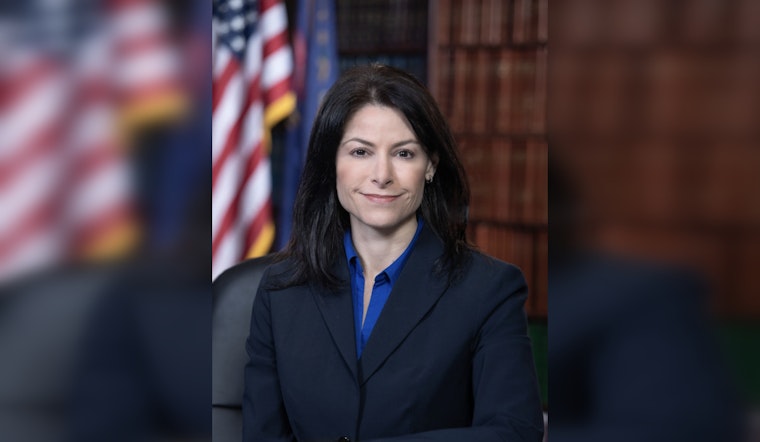
Michigan Attorney General Dana Nessel, along with 22 other attorneys general, has filed a brief urging the continued operation of the Consumer Financial Protection Bureau (CFPB), despite efforts by the Trump administration and Elon Musk to limit its functions. The brief challenges directives that could restrict the CFPB's activities, which has played a role in recovering over $20 billion for victims of financial fraud and addressing practices in loans and mortgages. The amicus brief also supports CFPB employees, many of whom had been directed to cease investigations into companies' deceptive tactics and unfair practices, as reported by the AG's office.
On February 9, the Trump administration instructed the CFPB to halt its ongoing investigations and refrain from starting new ones. This directive would significantly reduce the agency's oversight of major banks in terms of consumer protection compliance, potentially leading to concerns. Historically, reduced regulation has been linked to a more relaxed approach to oversight within financial institutions, as Nessel highlighted, "Without this crucial agency, tens of billions of dollars would have never been returned to defrauded consumers," according to the AG's office. This situation is similar to the conditions before the financial crisis. In support of the attorney general’s request, counterparts from various states, including Arizona, California, and New York, have joined in.
The CFPB, since its inception following the economic turbulence of 2011, has been working closely with state attorneys general on issues that affect everyday Americans, dealing with matters that pertain to banking, student loan services, and auto lending. The bureau's partnership with these officials has been a cornerstone in challenging fraudulent behaviors in the financial sector. With the CFPB's existence under fire, the question that attorney generals are posing is one of consumer protection—will individuals have the capacity to call out deception and malpractice in the absence of this agency?
A coalition of attorneys general from across the country argues that without the continued oversight of the CFPB, there is a risk that banks could return to harmful practices, similar to those before the Great Recession. The amicus brief serves to support the ongoing consumer protections that have been established. Attorneys General from states including Maine, Maryland, Massachusetts, Rhode Island, Vermont, Washington, Wisconsin, and the District of Columbia have expressed their collective opposition to changes that would reduce the CFPB’s oversight role.





