

























































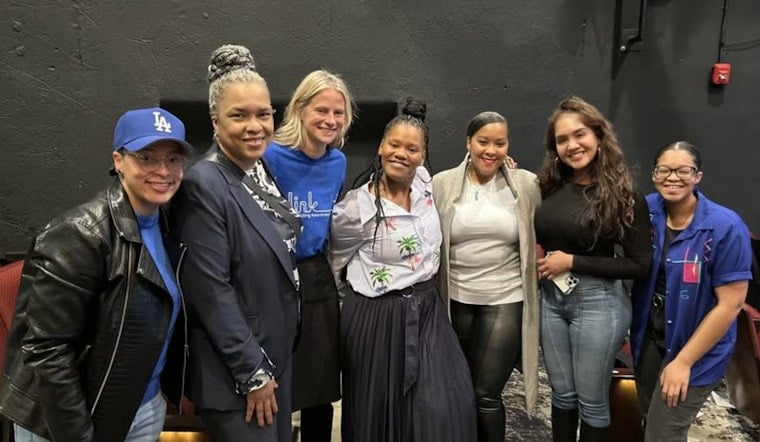
In an effort to shed light on a distressing issue, Minnesota's Department of Public Safety's Our Missing and Murdered Black Women and Girls Office Director Kaleena Burkes recently took part in a panel discussion. The event, held in conjunction with the screening of "Vice News Presents: When Black Women Go Missing," was organized by The Link to raise awareness about human trafficking. The documentary highlights alarming disparities in the response to cases of missing Black women and girls, and signals a dire need for systemic reform. With the establishment of the nation's first Missing and Murdered Black Women and Girls Office, Minnesota is taking a pioneering step in addressing this crisis, as per the Minnesota Department of Public Safety report.
The documentary is a critical exposé that points to systemic failures which too often allow cases involving Black women and girls to seemingly fall through the cracks. "It also captures a historic moment — the creation of the nation’s first Missing and Murdered Black Women and Girls Office in Minnesota," the Department noted in their social media update. This initiative not only aims to adequately recognize and address these cases but also to ensure that Black women and girls are afforded the protection and attention they have long been denied. Acknowledging the urgency of the situation, Burkes and others are working tirelessly to not only slowly but surely raise awareness but to drive tangible changes within the system.
The significant work being done in Minnesota could potentially set the precedent for other states to follow suit. With Minnesota spearheading the nation in establishing a dedicated office for this purpose, it opens up channels for discussion, policy development, and more focused law enforcement training in order to improve the rate at which these cases are solved and to enhance preventative measures. The goal is simple yet profound: to ensure that every Black woman and girl is indeed valued, protected, and if missing, found.
In tandem with government efforts, the public's role in amplifying the stories of missing and murdered Black women and girls is also crucial. Social media campaigns, community discussions, and educational programs are just the beginning. "We must continue to amplify these stories, demand action and work toward a future where every Black woman and girl is valued, protected and found," the Facebook post from the Minnesota Department of Public Safety emphasized. As momentum gathers, it is hoped that these combined efforts will go far further in bridging the glaring gap in the attention and resources given to these cases.



