

























































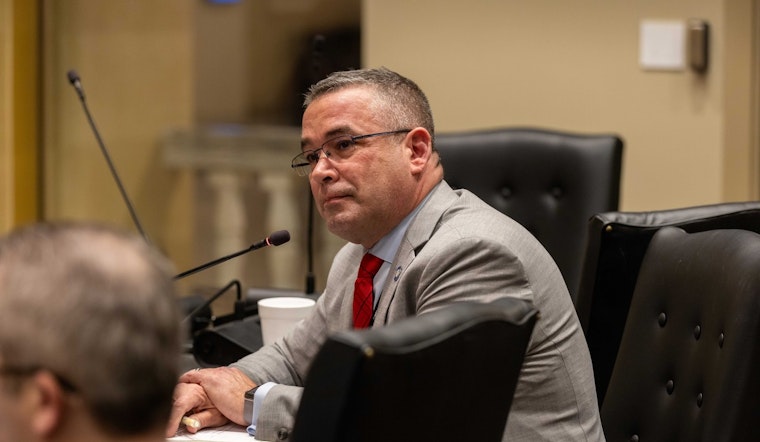
Oklahoma's efforts to increase voter turnout for school board elections just took a significant leap forward yesterday. The House Government Oversight Committee advanced House Bill 1151, set to align school board elections with general election cycles, a shift that might transform voter participation levels. The bill, sponsored by Rep. Chris Banning, R-Bixby, suggests moving elections from their current standalone February and April dates to the more populated June and November slots.
The decision could be a game-changer for representing community voices in educational matters. "This bill will create more accessibility for Oklahomans to vote by aligning school board elections with general election cycles," Banning explained, according to an earlier report by the Oklahoma House of Representatives. Citing the meager turnout in a past Union Public Schools Board election, where only 146 voters showed up, Banning highlighted, convenience aside,—this move could bolster democracy by drawing a sharper image of public sentiment in these critical boards.
Beyond boosting engagement, House Bill 1151 looks to simplicize the duration of terms across the school board spectrum, proposing a standard four-year term for members. Such standardization intends to bring not just consistency, but clarity to the roles and expectations of those steering the educational helm across Oklahoma's school districts.
Economic incentives back the timing change proposal too. In 2023, Oklahoma school districts dug deep into pockets, spending north of $16 million on off-cycle school elections—a situation this bill addresses by ushering significant savings, "By consolidating election dates, districts could redirect significant funds toward educational needs," as reported by the Oklahoma House of Representatives. Thus, while lifting voter numbers, the bill might also redirect fiscal resources back to the frontlines of education in the state.
The bill's successful passage through the committee marks it eligible for the next hurdle—floor debate and voting in the House.





