

























































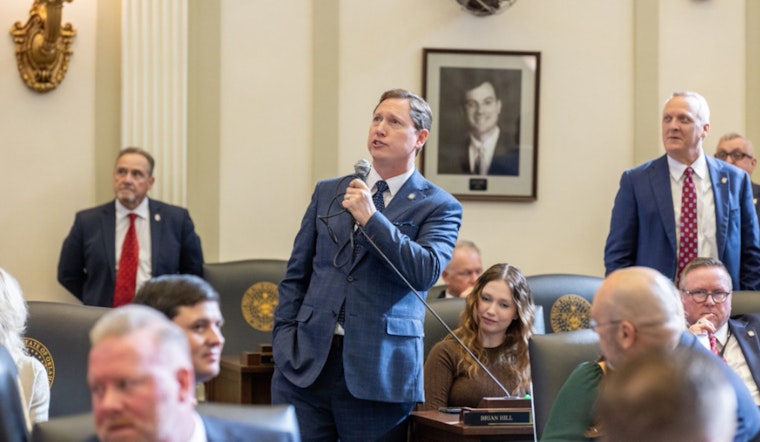
Efforts to ease the transition of inmates back into society just took another step forward in Oklahoma. According to the Oklahoma House of Representatives, Rep. Brian Hill, R-Mustang, has successfully navigated House Bill 2364 out of committee. The legislation builds upon the aims of the Sarah Stitt Act, focusing now on equipping released inmates with either a noncompliant REAL ID driver license or a REAL ID Noncompliant Identification Card.
The bill, which updates prior legislation, is intent on providing those exiting state custody with essential personal identification—which is often a fundamental first step towards employment and self-sufficiency. The Oklahoma Department of Corrections is saddled with the responsibility of aiding inmates in this process. "When inmates leave prison fully prepared to enter the workforce and gain housing, our whole state benefits," said Hill in a report by the Oklahoma House of Representatives. However, the proposed bill is pending further review by the House Judiciary and Public Safety Oversight Committee before it can make it to the House floor for a general vote.
This move aligns with earlier measures instituted by the Sarah Stitt Act of 2021, which Hill was instrumental in passing, designed to cut down on the state’s rate of recidivism while bolstering the economy. Everything from birth certificates to resumes and practice job interviews were encompassed in the original act. The premise here is clear: outfit those reentering the community with practical leverage for integration, thus enhancing their odds at succeeding outside the corrections system.
With unanimous support at the initial committee level, HB2364 shows a positive trend towards recognizing the complexities of post-incarceration life and the common needs that we often take for granted. "This not only reduces recidivism but also strengthens Oklahoma’s restorative workforce by helping more people become productive, contributing members of society," Hill mentioned, shedding light on the transformational potential of the bill for individuals and for society as a whole, as per the Oklahoma House of Representatives. The 5-0 passing in the House Public Safety Committee reveals a non-partisan acknowledgment of these challenges that extend beyond political lines.




